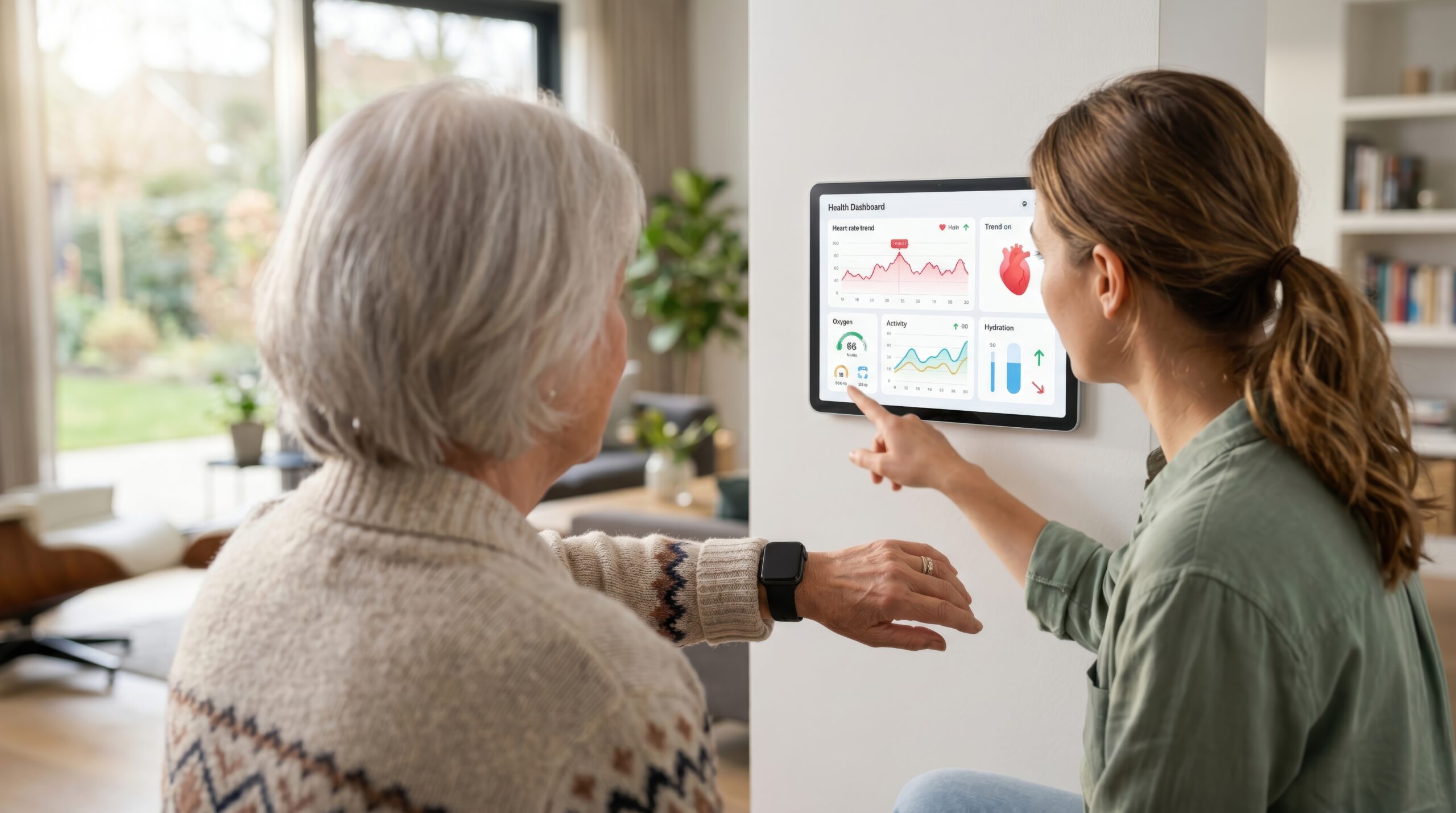
Validation therapy is important in dementia care because it can reduce distress, boost emotional wellbeing, and strengthen the connections between caregivers and their senior loved ones living with dementia. Rather than correcting or redirecting a loved one with dementia, validation therapy acknowledges his or her feelings and experiences as real and meaningful. This compassionate approach can transform care by fostering trust, dignity, and calm.
What Is Validation Therapy?
Validation therapy is a communication technique developed by social worker Naomi Feil in the 1960s. It focuses on accepting the reality of someone with dementia rather than challenging or correcting his or her confused statements. The goal is to validate your loved one’s emotions and experiences, which reduces anxiety, anger, and agitation. Key principles include:
- Listening with empathy – Acknowledging what your loved one is feeling without judgment
- Using simple, clear language – Avoiding complex explanations or corrections
- Matching your loved one’s emotional tone – Reflecting his or her feelings to show understanding
- Encouraging self-expression – Allowing your loved one to share thoughts and memories freely
Your ability to understand your loved one’s version of reality may vary depending on how far the dementia has progressed. Certain age-related conditions can make it more challenging for seniors in northeastern Massachusetts to age in place safely and comfortably, but Wilmington 24-hour care experts are available around the clock to help seniors manage their health. Whether your loved one is living with dementia or recovering from a stroke, you can trust the professional caregivers from Assisting Hands Home Care to enhance his or her quality of life. At Assisting Hands Home Care, we take measures to help seniors prevent illness and injury by assisting with exercise and mobility, preparing nutritious meals, helping with bathing and other personal hygiene tasks, and much more.
How Does Validation Therapy Benefit Individuals with Dementia?
Validation therapy offers several meaningful benefits for people living with dementia:
- Reduces anxiety and distress – When feelings are acknowledged, seniors feel heard and understood, which can ease confusion and fear.
- Boosts emotional wellbeing – Validation fosters a sense of dignity and self-worth by treating your loved one’s experiences as valid.
- Decreases challenging behaviors – Many difficult behaviors stem from unmet emotional needs. Validation addresses these needs directly.
- Strengthens trust – A validating approach builds a stronger, more positive relationship between you and your loved one.
Why Is Traditional Reality Orientation Less Effective?
Reality orientation involves correcting your loved one when he or she makes confused or inaccurate statements. While this approach was once common, research shows it can increase frustration and distress. For example, if your loved one believes he or she needs to pick up his or her children from school (even though they’re now adults), correcting your loved one may cause confusion or upset. Validation therapy, on the other hand, would explore the emotion behind the statement—perhaps your loved one is feeling worried or responsible—and respond with empathy rather than correction.
How Can Caregivers Use Validation Therapy Effectively?
Implementing validation therapy doesn’t require formal training, though practice helps. Here are practical ways caregivers can use this approach:
- Listen actively – Pay attention to both words and emotions. What’s your loved one really trying to express?
- Avoid arguing – Never correct or contradict. Instead, acknowledge your loved one’s feelings.
- Ask open-ended questions – Encourage your loved one to share more about what he or she is experiencing.
- Use touch when appropriate – A gentle hand on the shoulder can provide comfort and reassurance.
- Mirror your loved one’s emotions – If your loved one seems sad or worried, acknowledge those feelings directly.
For example, if your loved one says he or she needs to go home (even though he or she is already home), a validating response might be “You’re thinking about home. What do you miss most about it?” This redirects focus to the emotion rather than the confusion.
Even when families have the best intentions, caring for a senior loved one with dementia can be challenging. Fortunately, Assisting Hands Home Care is here to help. We are a leading provider of dementia care Wilmington families can trust. You can take advantage of our flexible and customizable care plans, and our caregivers always stay up to date on the latest developments in senior care.
What Are the Long-Term Effects of Validation Therapy?
Over time, consistent use of validation therapy can lead to a higher quality of life for both individuals with dementia and their caregivers. Benefits include:
- Fewer behavioral outbursts – Addressing emotional needs reduces frustration.
- Better relationships – Trust and connection grow stronger.
- Enhanced communication – Even as dementia progresses, emotional connection remains possible.
- Greater caregiver satisfaction – Feeling effective and compassionate boosts caregiver morale.
Validation therapy can be quite effective for your senior loved one with dementia, which means you’ll have greater peace of mind as well. One of the most challenging tasks of helping an elderly relative age in place safely and comfortably is researching agencies that provide home care. Families can turn to Assisting Hands Home Care for reliable, high-quality Wilmington home care service for aging adults. We offer 24-hour care for seniors who require extensive assistance, and we also offer respite care for family caregivers who need a break from their caregiving duties. To create a customized care plan for your loved one, call us today.
Frequently Asked Questions
Can validation therapy cure dementia?
+
No, validation therapy cannot cure dementia. However, it can significantly enhance emotional wellbeing and reduce distress for those living with the condition.
Is validation therapy suitable for all stages of dementia?
+
Yes, validation therapy can be adapted for early, middle, and late stages of dementia, though the approach may need to be adjusted based on your loved one’s communication abilities.
How is validation therapy different from reminiscence therapy?
+
Validation therapy focuses on acknowledging current emotions and experiences, while reminiscence therapy encourages individuals to recall and discuss past memories. Both can be beneficial and are sometimes used together.
Do I need special training to use validation therapy?
+
While formal training can be helpful, many caregivers successfully use validation techniques with practice and patience. Resources and workshops are available for those who want to learn more.
What if validation therapy doesn’t seem to work?
+
Every individual is different. If validation therapy isn’t effective, consider consulting with a dementia care specialist who can suggest alternative approaches tailored to your loved one’s specific needs.