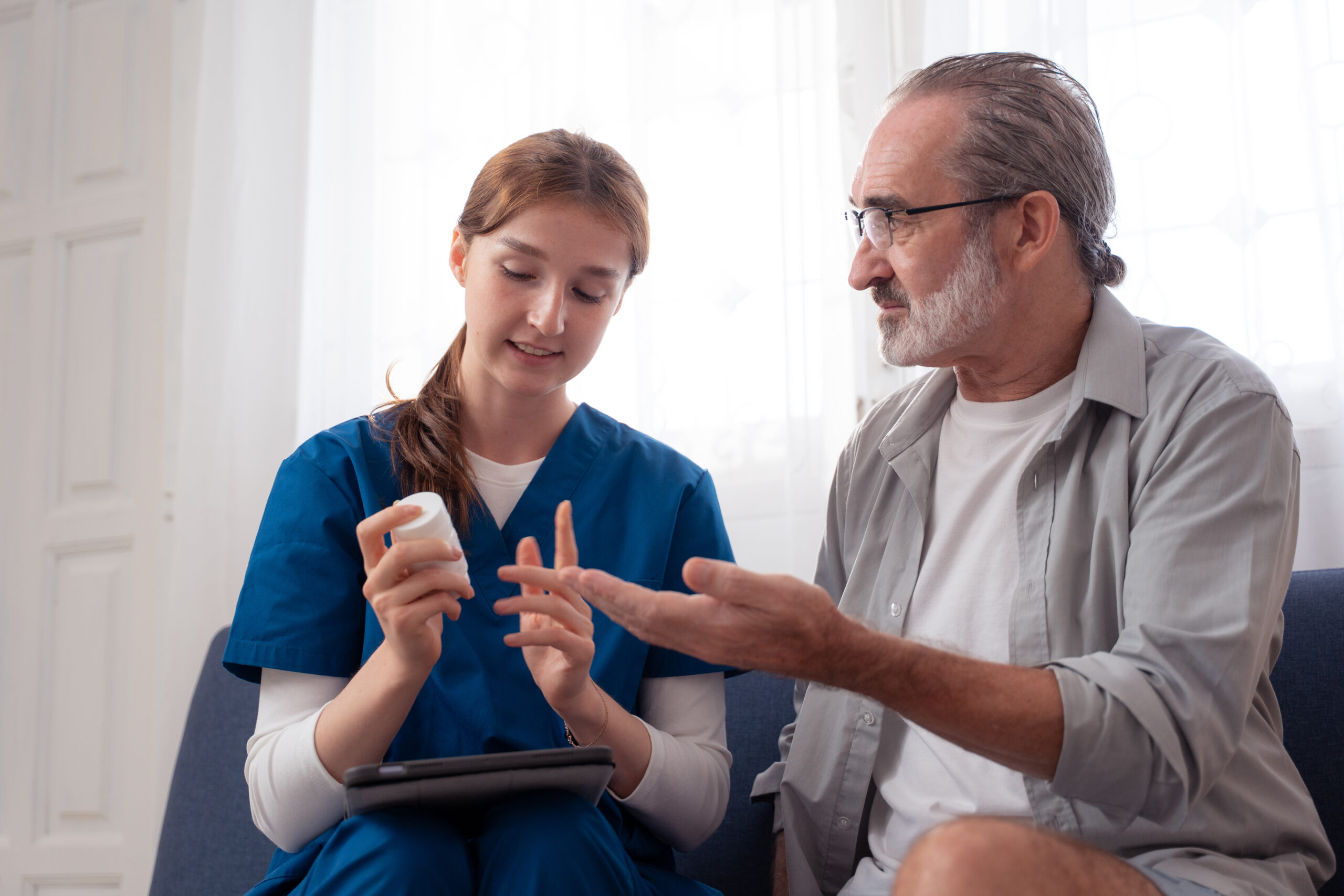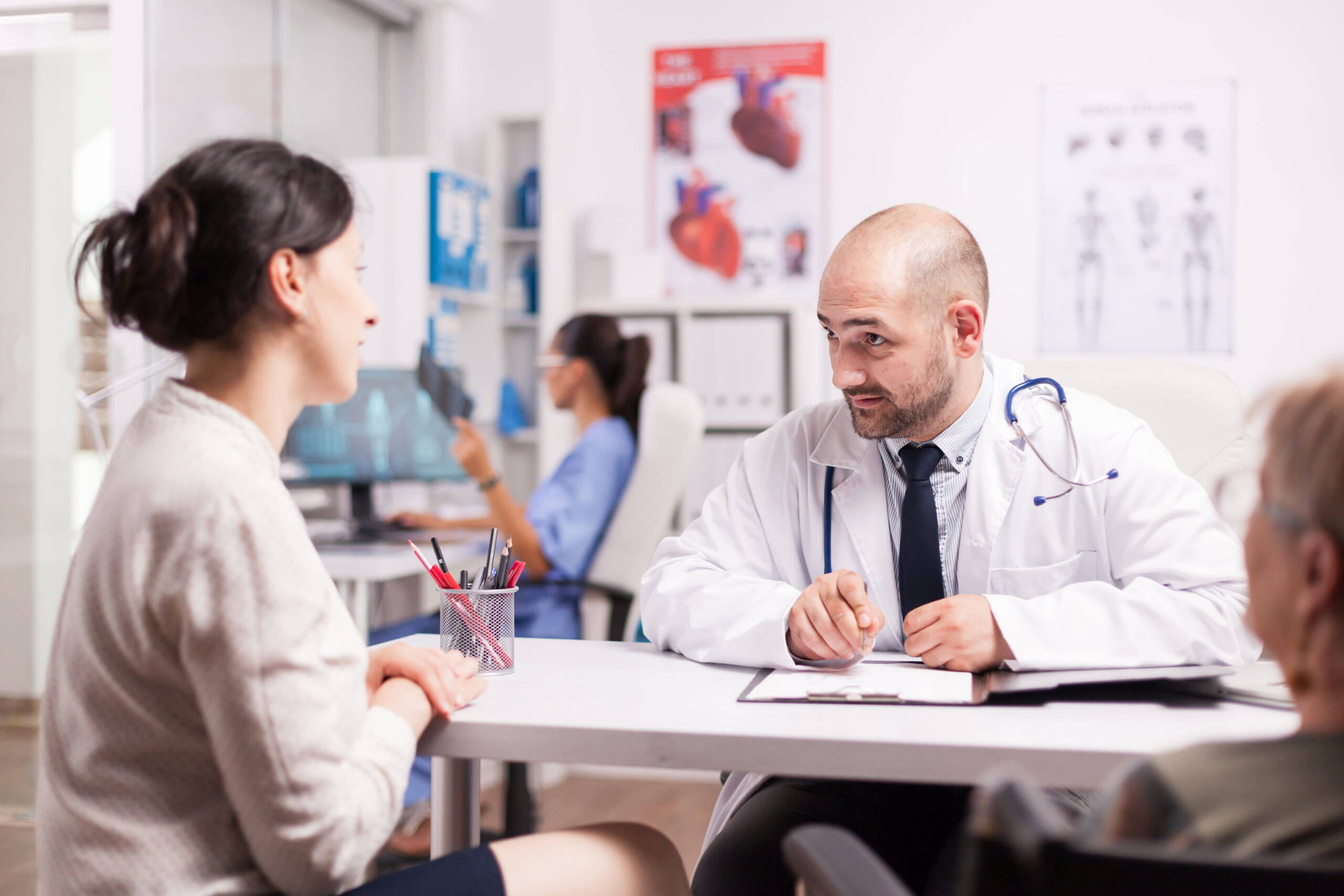
Seniors who live alone face a higher risk of hospitalization primarily because they lack immediate assistance for medical emergencies, daily care routines, and fall prevention. Without a caregiver or family member nearby, minor health issues can quickly escalate into severe conditions that require urgent medical attention. Understanding these underlying risks is essential for families and healthcare providers to create better support systems for aging adults.
How Does a Lack of Immediate Assistance Affect Seniors?
When seniors live by themselves, there’s no one around to notice early warning signs of illness or to call for help during a medical emergency. This delay in receiving care means easily treatable conditions, such as minor infections or mild confusion, often worsen over time. By the time medical help is finally sought, the senior typically requires an emergency room visit and a prolonged hospital admission.
Many older adults are choosing to age in place, and some need a helping hand to continue living at home safely and comfortably. Luckily, there is professional home care Wilmington seniors can trust and rely on.
What Role Do Falls Play in Hospital Admissions?
Falls are a leading cause of injury among the elderly, and living alone significantly amplifies the danger and the severity of the outcome. Without someone to assist with mobility or clear daily hazards, seniors are much more likely to fall and remain on the floor for extended periods. Common household risks that lead to falls include:
- Poorly lit hallways and staircases
- Loose rugs and unsecured electrical cords
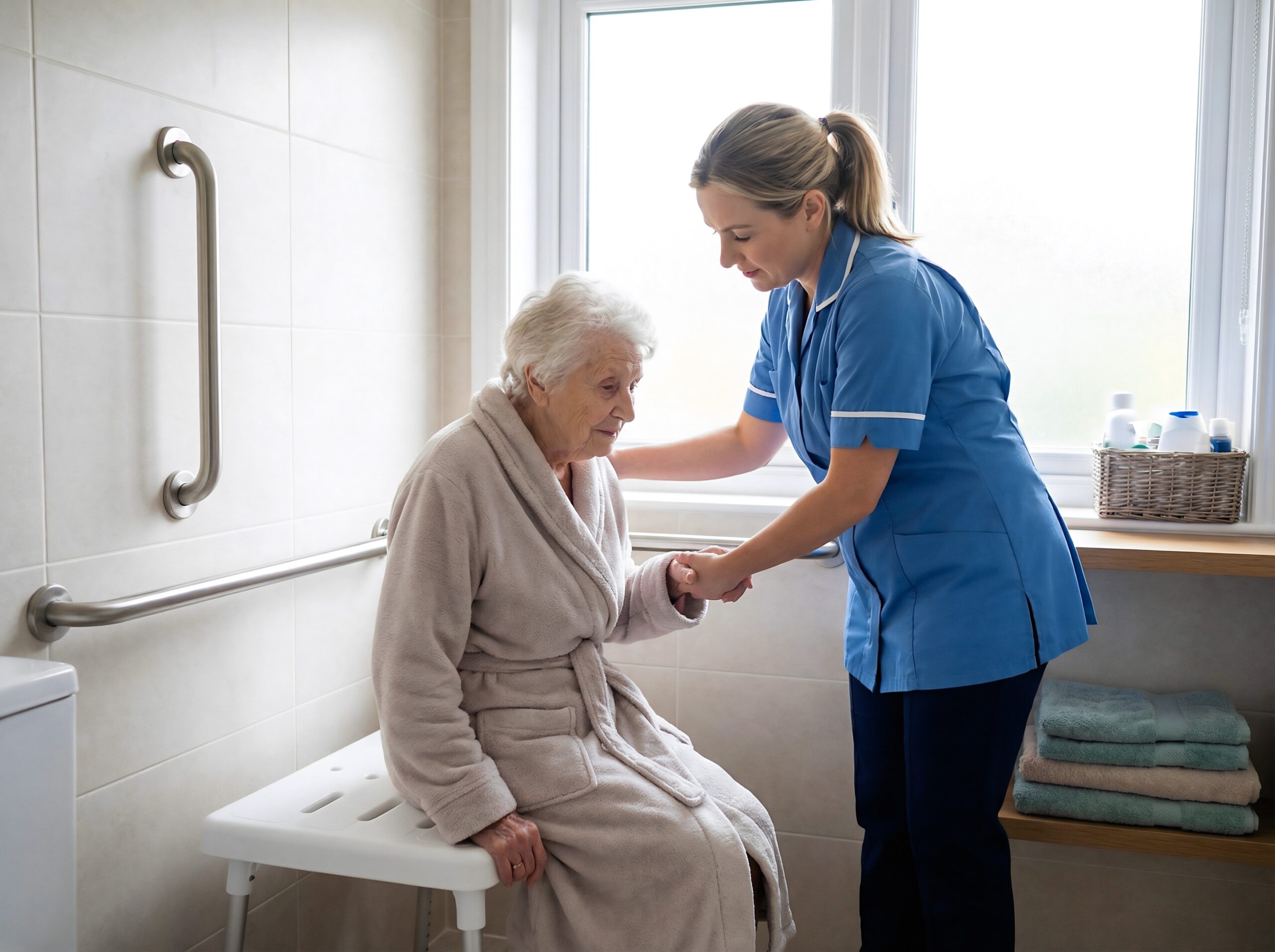
- Slippery bathroom floors and lack of grab bars
Why Is Medication Organization Harder for Solo Seniors?
Managing multiple prescriptions can be confusing, and doing it without a second set of eyes increases the likelihood of dangerous medication errors. Seniors living alone might accidentally double their dosage, miss critical pills, or mix incompatible drugs due to memory issues or poor eyesight. These mistakes frequently trigger adverse drug reactions or a rapid decline in chronic conditions, both of which require immediate hospitalization.
Can Social Isolation Impact Physical Health?
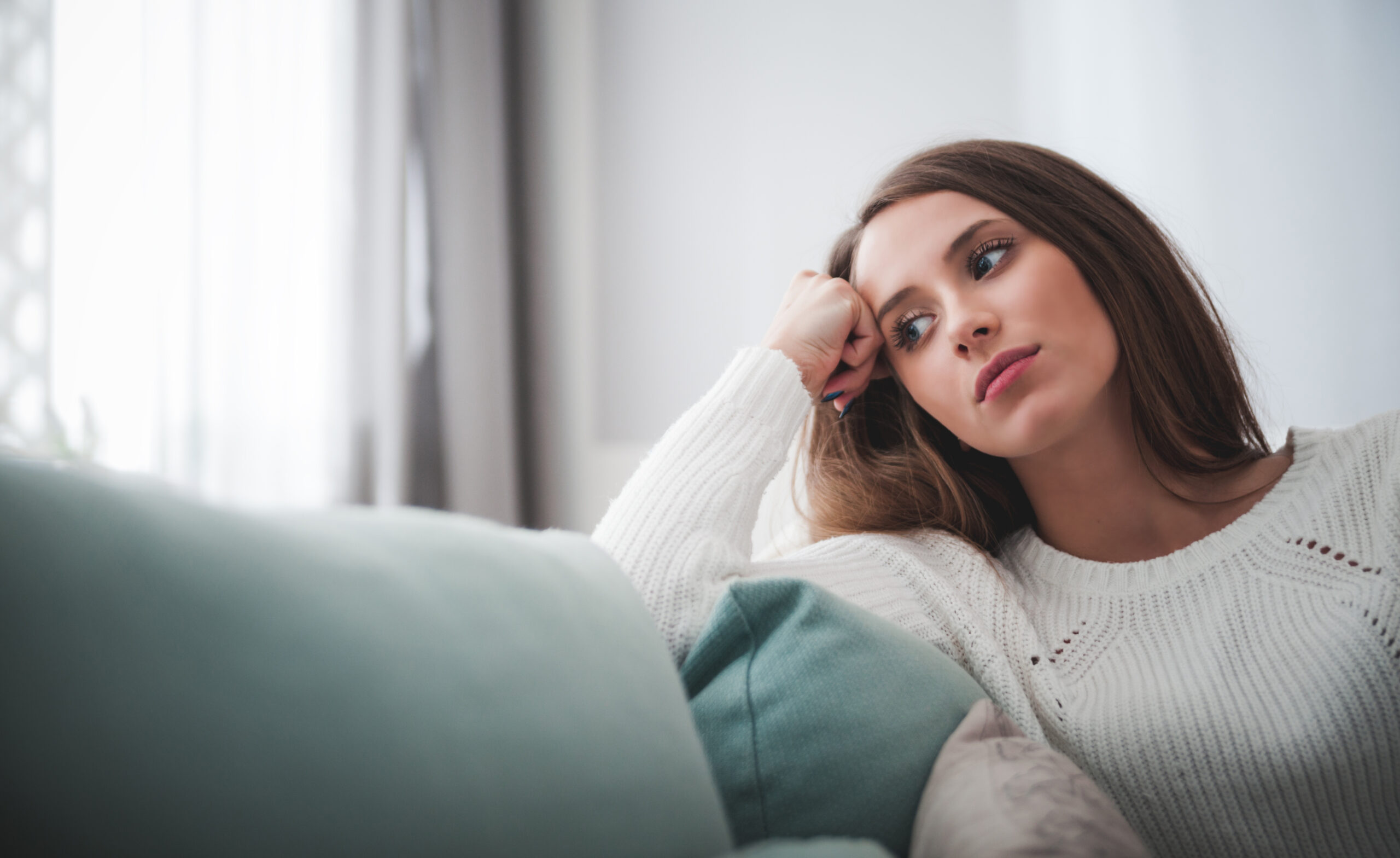
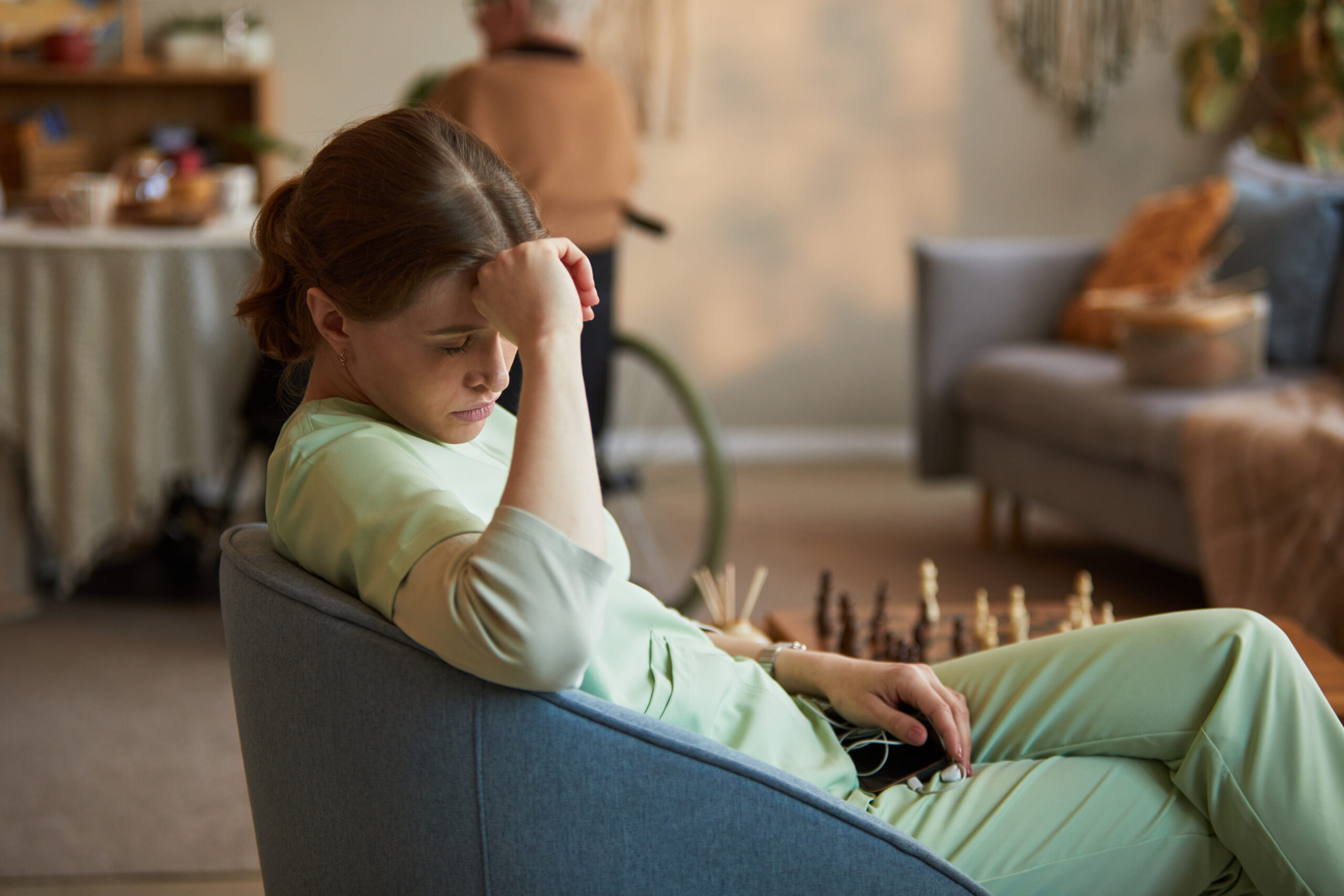
The emotional toll of loneliness can directly weaken a senior’s physical health and immune system. Social isolation often leads to depression, which can cause seniors to neglect their daily nutrition, personal hygiene, and routine doctor appointments. This general self-neglect makes them far more vulnerable to chronic diseases and sudden health crises that demand intensive hospital care.
Respite care can be a wonderful solution for families when their aging loved ones need companionship and socialization a few hours a week or just need minor assistance with daily household tasks. Assisting Hands Home Care is a leading provider of respite and overnight care in Wilmington, and we thrive on helping seniors maintain their independence while living in the comfort of home.
Whether you need respite from your caregiving duties or your aging loved one needs Wilmington 24-hour care, Assisting Hands Home Care can meet your family’s care needs. Our dedicated caregivers are available around the clock to provide transportation to doctor’s appointments, ensure seniors take their prescribed medications, and help with a variety of tasks in and outside the home. Contact one of our experienced Care Specialists today to learn more about our reliable in-home care services.
Frequently Asked Questions
What can families do to protect seniors living alone?
+
Families can install medical alert systems, schedule daily check-in calls, or set up automated reminders to ensure their loved ones’ safety. Hiring in-home care services also provides essential daily assistance and valuable companionship.
Are there specific home modifications that reduce risks?
+
Yes, adding grab bars in bathrooms, improving lighting throughout the house, and removing trip hazards can drastically lower the risk of falls. Ramps and stairlifts are also excellent additions for those with severe mobility issues.
How does nutrition play a role in hospitalization?
+
Seniors living alone often skip meals or eat heavily processed foods, leading to malnutrition and a weakened immune system. This resulting frailty makes them highly susceptible to infections and illnesses that ultimately require hospital care.
Can technology monitor a senior’s health?
+
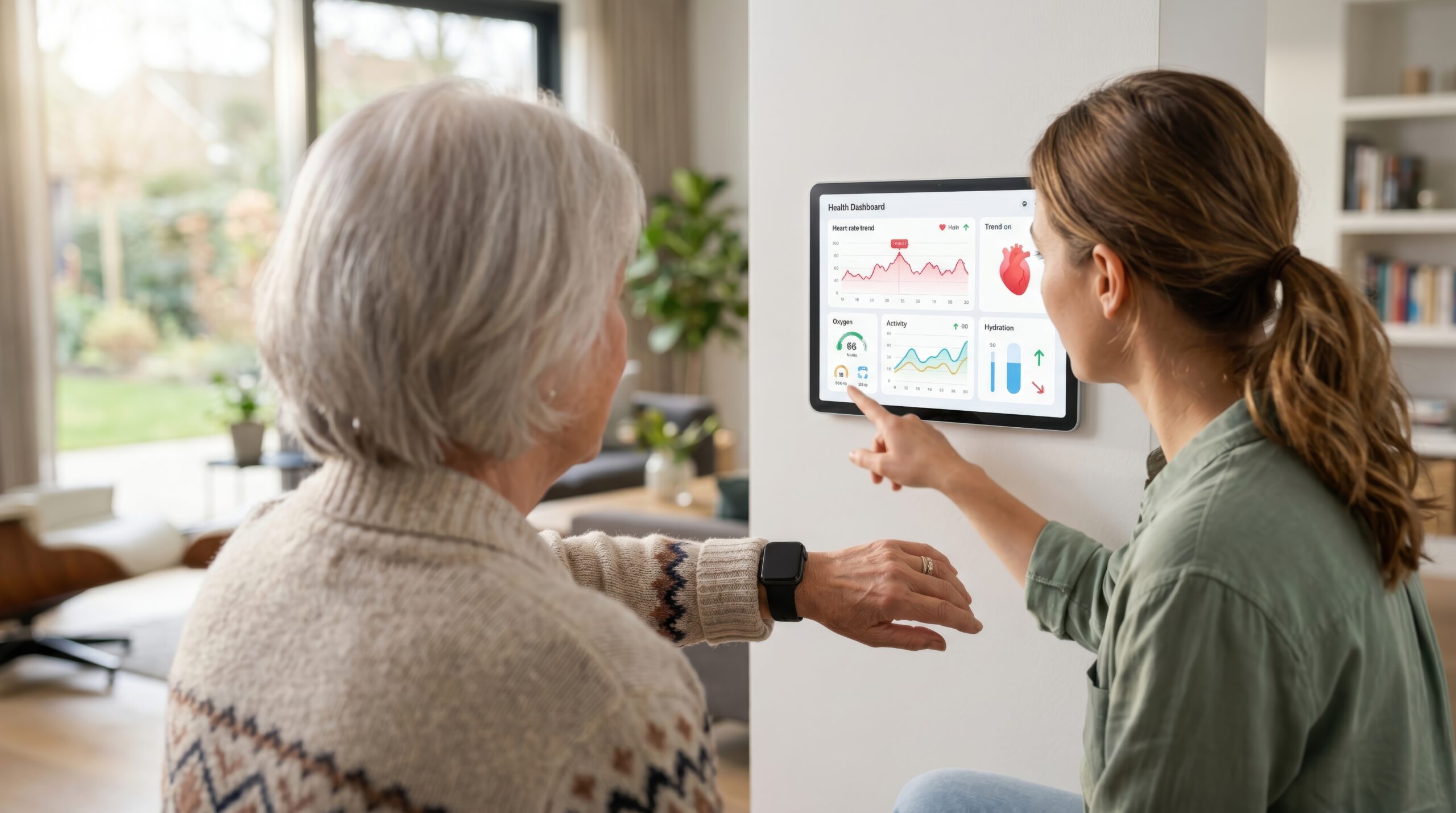
Smart home devices and wearable health trackers can monitor vital signs and detect falls in real time. These innovative tools can automatically alert emergency contacts or medical professionals if an abnormality or accident is detected.