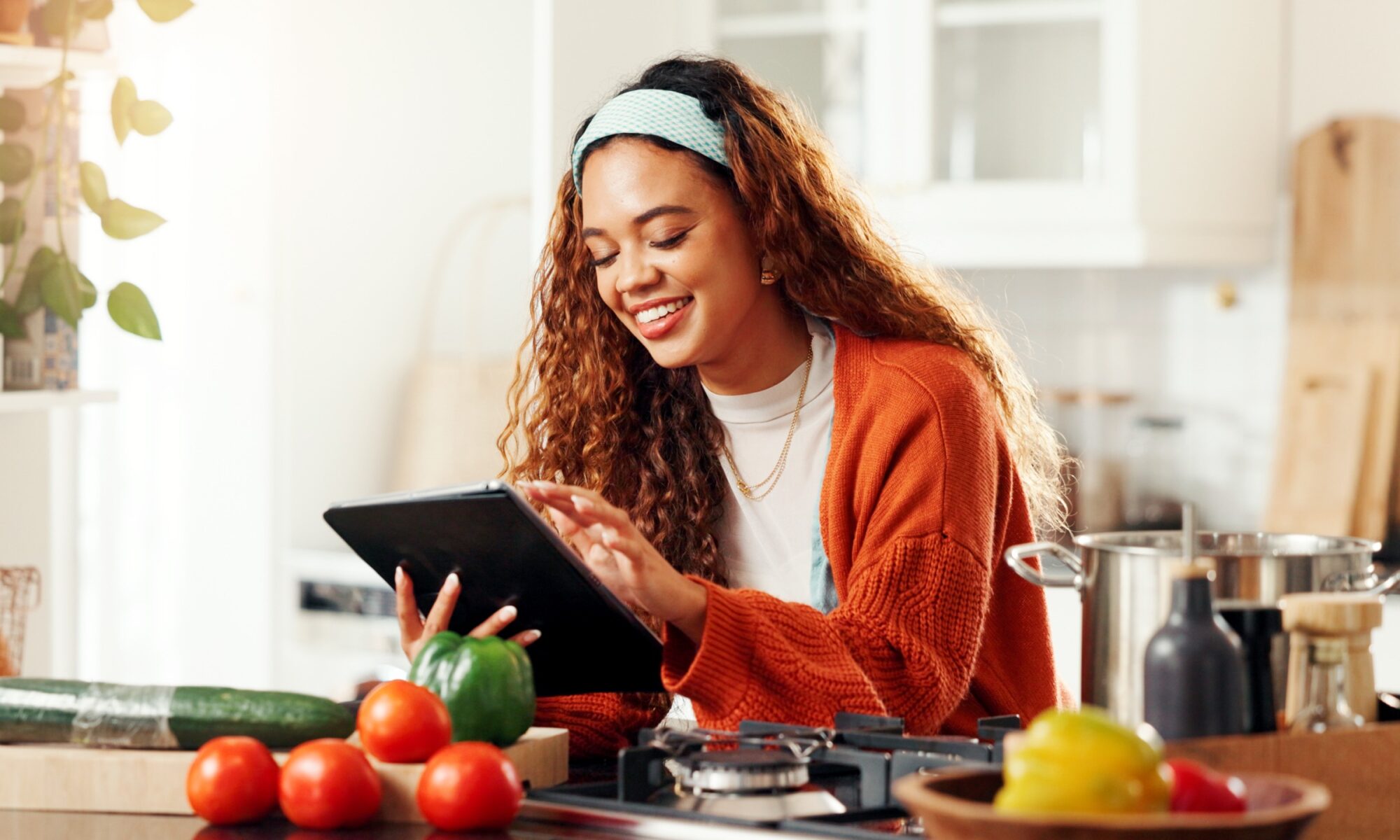
Healthy meal prepping involves preparing nutritious, balanced meals in advance to save time and ensure consistent wholesome eating throughout the week. As a caregiver, meal prepping can reduce daily stress, free up valuable time, and help both you and your senior loved one maintain proper nutrition. Below are practical strategies and ideas to make meal prep simple and sustainable.
What Are the Benefits of Meal Prepping for Caregivers?
Meal prepping offers several advantages that make caregiving more manageable:
- Saves time – Preparing meals in bulk means less time spent cooking daily, giving you more time to focus on care tasks.
- Reduces stress – Knowing meals are ready eliminates the pressure of deciding what to cook each day.
- Supports better nutrition – Planning meals ahead ensures balanced, nutritious options instead of relying on convenience foods.
- Cuts down on waste – Buying and using ingredients strategically reduces food spoilage and saves money.
- Provides consistency – Regular predictable meals can be especially beneficial for loved ones with dietary restrictions or health conditions.
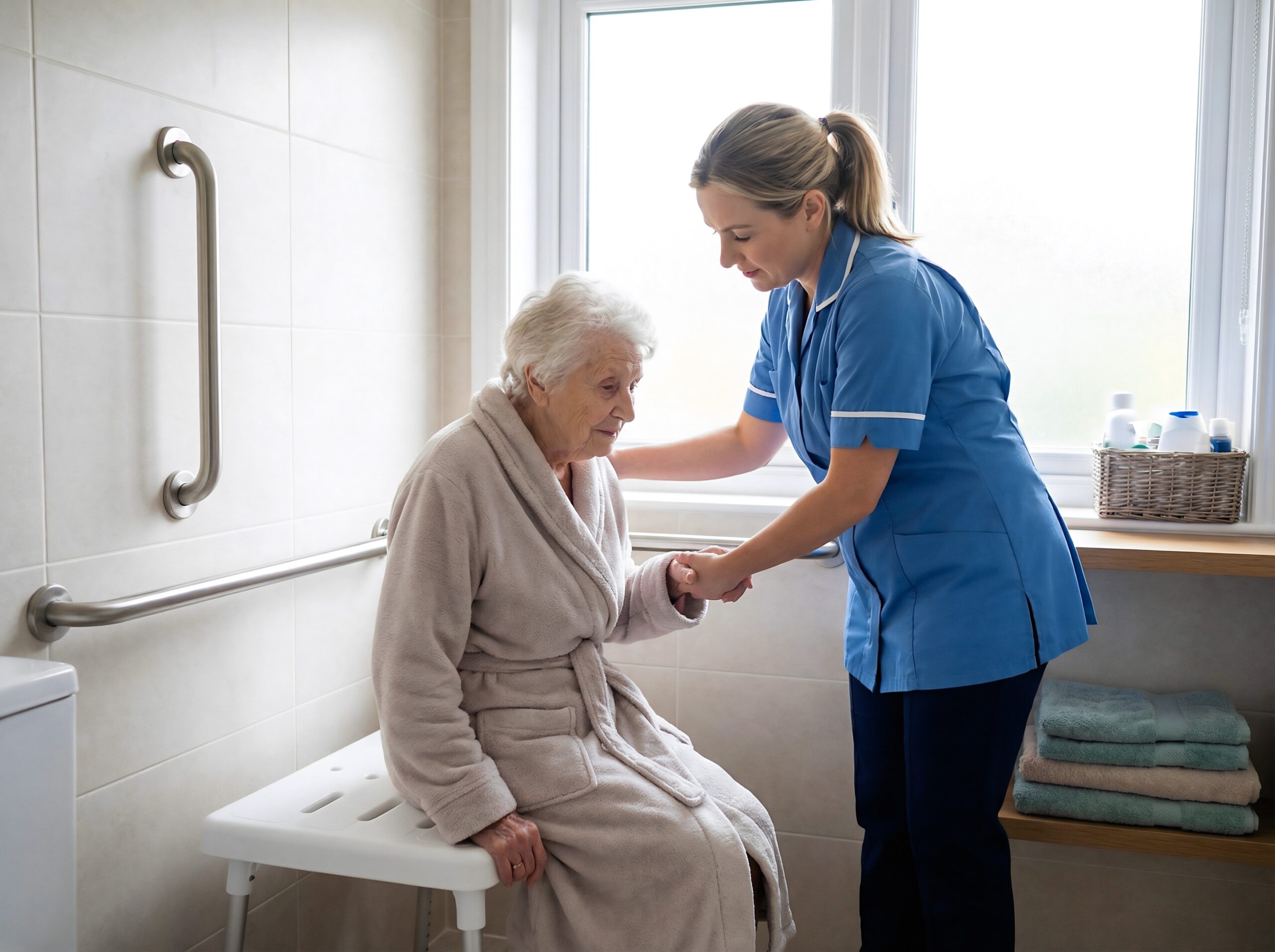
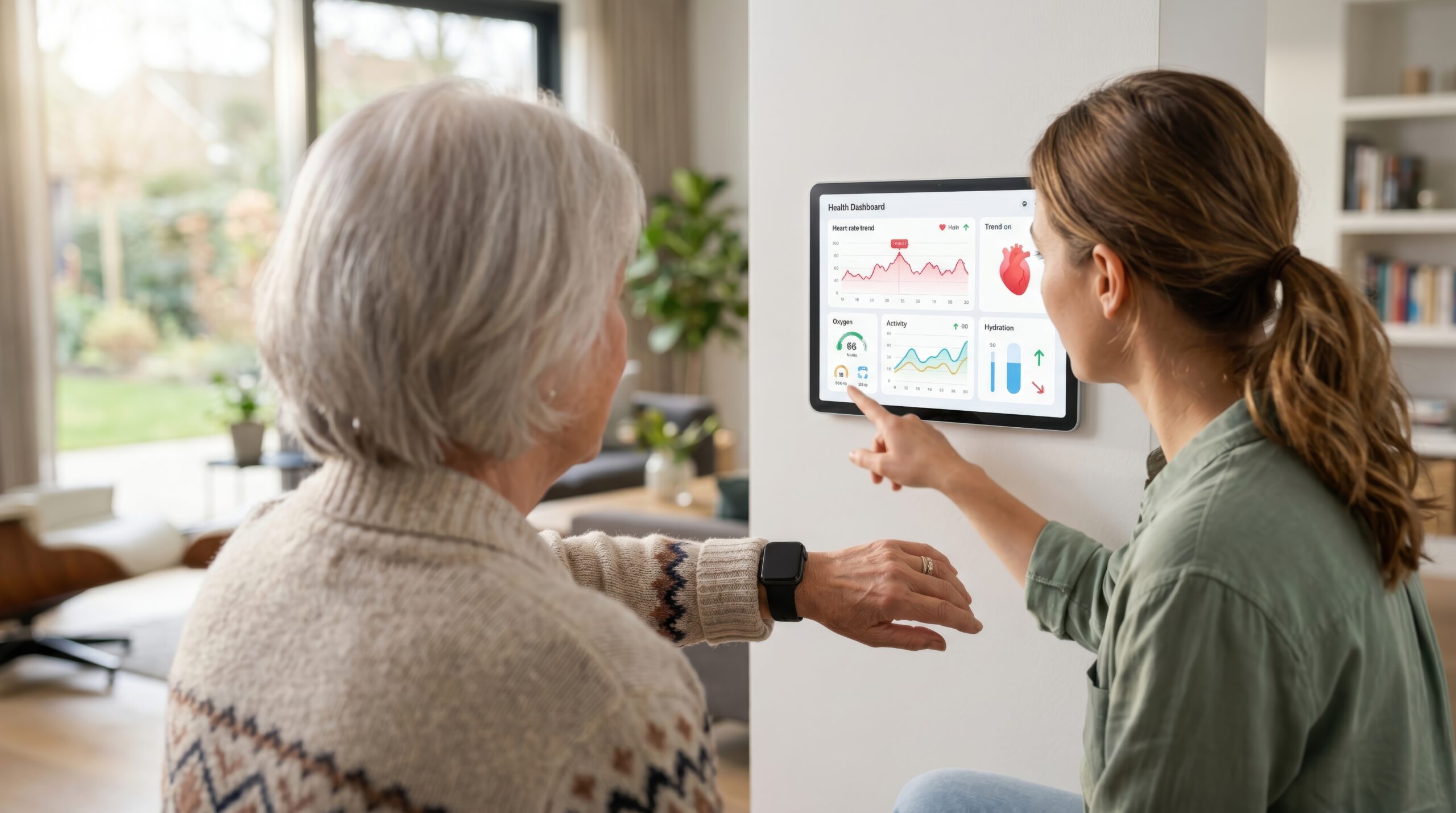
Some seniors need help preparing nutritious meals and healthy snacks. Not every senior has the same care needs, which means they don’t all need the same type of home care in Wilmington . Families can rely on Assisting Hands Home Care to provide individualized care plans to meet their elderly loved ones’ unique care needs. Our caregivers help seniors focus on healthy lifestyle habits such as eating nutritious foods, exercising regularly, and maintaining strong social ties, and we offer mentally stimulating activities that can boost cognitive health and delay the onset of dementia.
What Are Simple Make-Ahead Breakfast Ideas?
Starting the day with a nutritious breakfast sets a positive tone. Here are some easy options:
- Overnight oats – Combine oats, milk (or a dairy-free alternative), and toppings like berries, nuts, or honey in jars. Store in the fridge for up to five days.
- Egg muffins – Whisk eggs with vegetables, cheese, and cooked meat. Pour into muffin tins and bake. These reheat quickly and last several days.
- Smoothie packs – Pre-portion fruits, greens, and protein powder into freezer bags. Blend with liquid when ready to serve.
- Yogurt parfaits – Layer yogurt with granola and fruit in containers for grab-and-go breakfasts.
What Are Nutritious Lunch and Dinner Meal Prep Ideas?
Balanced lunches and dinners are essential for maintaining energy and health. Consider these meal prepping approaches:
- Sheet pan meals – Roast chicken, fish, or tofu with vegetables on a single pan. Portion into containers with a grain like quinoa or brown rice.
- Slow cooker or Instant Pot dishes – Prepare soups, stews, chili, or casseroles in large batches. These freeze well and reheat easily.
- Mason jar salads – Layer dressing at the bottom, followed by hearty vegetables, proteins, grains, and greens on top. Shake before eating.
- Grain bowls – Cook a large batch of grains (rice, farro, or couscous), then mix with roasted vegetables, proteins, and a flavorful sauce.
- Freezer-friendly casseroles – Dishes like lasagna, enchiladas, or baked pasta can be assembled ahead, frozen, and baked when needed.
Consider hiring a professional caregiver if you need someone to prepare nutritious meals for your loved one. If you’re the primary caregiver for a senior family member in Wilmington and you need respite or overnight care, Assisting Hands Home Care is here to help. Our home caregivers are trained to assist older adults with a wide variety of everyday tasks, including meal prep, physical activity, and personal hygiene. We also provide 24-hour care and specialized care for seniors with Alzheimer’s, dementia, and Parkinson’s.
How Can You Make Snacks and Sides Ahead of Time?
Healthy snacks and sides keep energy levels steady throughout the day:
- Cut vegetables and hummus – Prep carrot sticks, bell peppers, and cucumbers for easy dipping.
- Hard-boiled eggs – Boil a batch at the start of the week for quick protein.
- Energy balls – Mix oats, nut butter, honey, and mix-ins like chocolate chips or dried fruit. Roll into balls and refrigerate.
- Fruit portions – Wash and portion fruits like grapes, berries, or melon into containers.
- Roasted chickpeas – Season and roast for a crunchy nutritious snack.
What Can Help Caregivers Stay Organized with Meal Prep?
Staying organized makes meal prepping more efficient and less overwhelming:
- Plan your menu – Choose 3–5 recipes for the week and create a shopping list based on those meals.
- Batch cook staples – Prepare proteins, grains, and vegetables in bulk to mix and match throughout the week.
- Invest in high-quality containers – Use clear portioned containers that are microwave- and dishwasher-safe.
- Label everything – Mark containers with contents and dates to avoid confusion and food waste.
- Set aside dedicated time – Block out a few hours on the weekend or a quieter weekday for meal prep.
- Keep it simple – Start with just a few meals per week and gradually increase as you become more comfortable.
Aging in place can present a few unique challenges for older adults. Some only require part-time assistance with exercise or meal preparation, while others are living with serious illnesses. If your elderly loved one needs Wilmington 24-hour care, turn to Assisting Hands Home Care. Our caregivers encourage seniors to focus on eating nutritious foods, exercising on a regular basis, maintaining strong social ties, and other lifestyle factors known to increase longevity. To learn about our premier in-home care plans and how they can help your loved one, give us a call today.
Frequently Asked Questions
How long do prepped foods last in the fridge?
+
Most prepped foods stay fresh for 3–5 days when stored properly in airtight containers in the refrigerator.
Can I freeze prepped meals?
+
Yes, many meals like soups, casseroles, and cooked proteins freeze well for up to 3 months. Label containers with the date for easy tracking.
What if my loved one has dietary restrictions?
+
Adjust recipes to meet specific dietary needs by swapping ingredients—use gluten-free grains, low-sodium broths, or dairy-free alternatives as needed.
How do I reheat prepped food safely?
+
Reheat food to an internal temperature of 165°F. Use the microwave, stovetop, or oven depending on the dish.
What are the best containers for meal prepping?
+
Glass or BPA-free plastic containers with secure lids work best. Choose compartmentalized options to keep ingredients separate if desired.