Integrating remote monitoring systems into senior in-home care means using connected devices and sensors to track a senior loved one’s daily activity and safety from a distance. These tools help families and caregivers stay informed without being physically present around the clock. The result is greater peace of mind, faster responses to issues, and more independence for seniors aging at home.
What Are Remote Monitoring Systems for Senior Care?
Remote monitoring systems are connected technologies that collect and share information about a senior’s environment and daily routines. They allow caregivers to check in from anywhere using a smartphone, tablet, or computer. Common types include:
- Motion sensors that track movement around the home
- Wearable devices that detect falls or send alerts
- Smart home cameras for visual check-ins
- Door and window sensors that monitor entries and exits
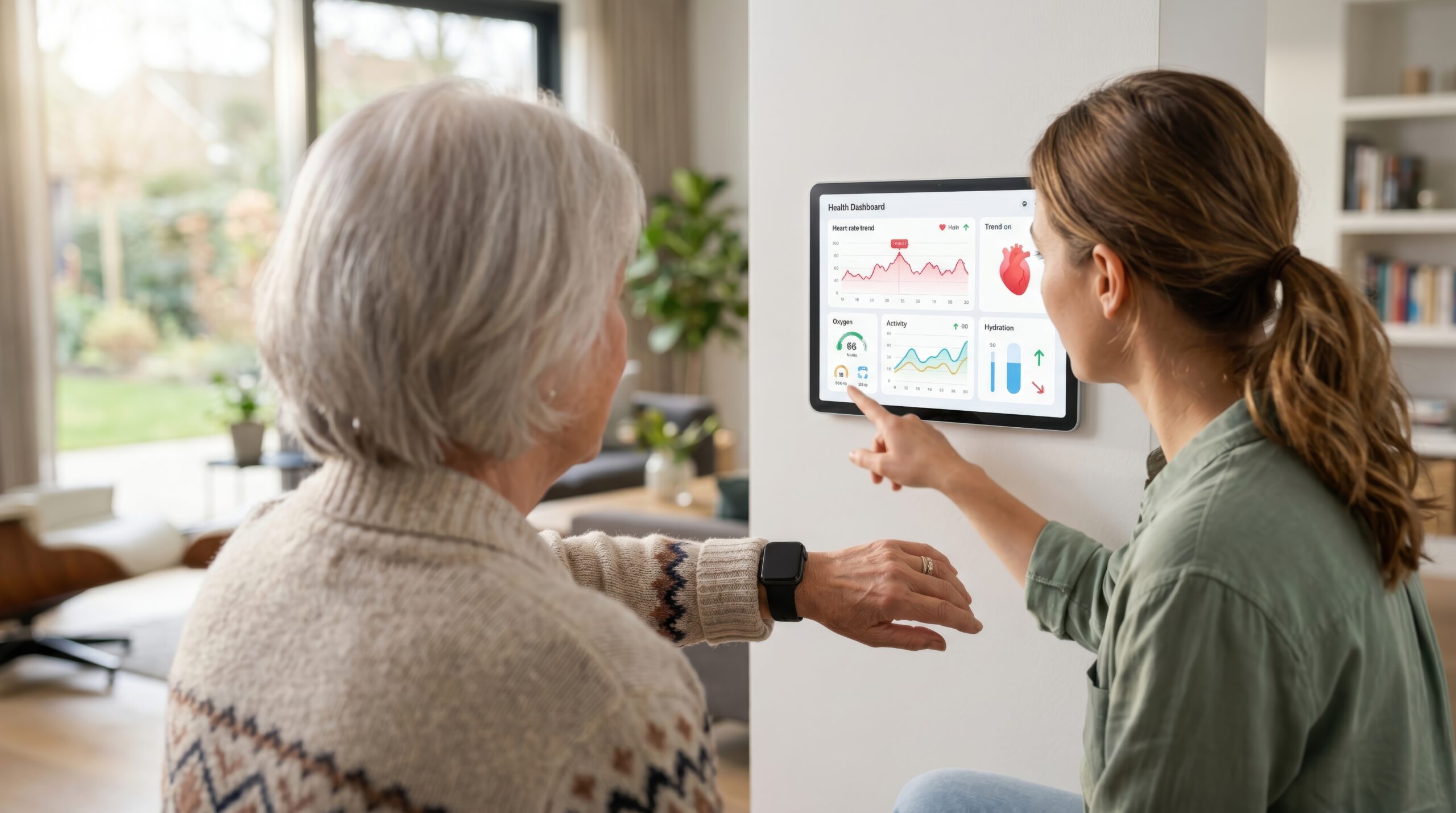
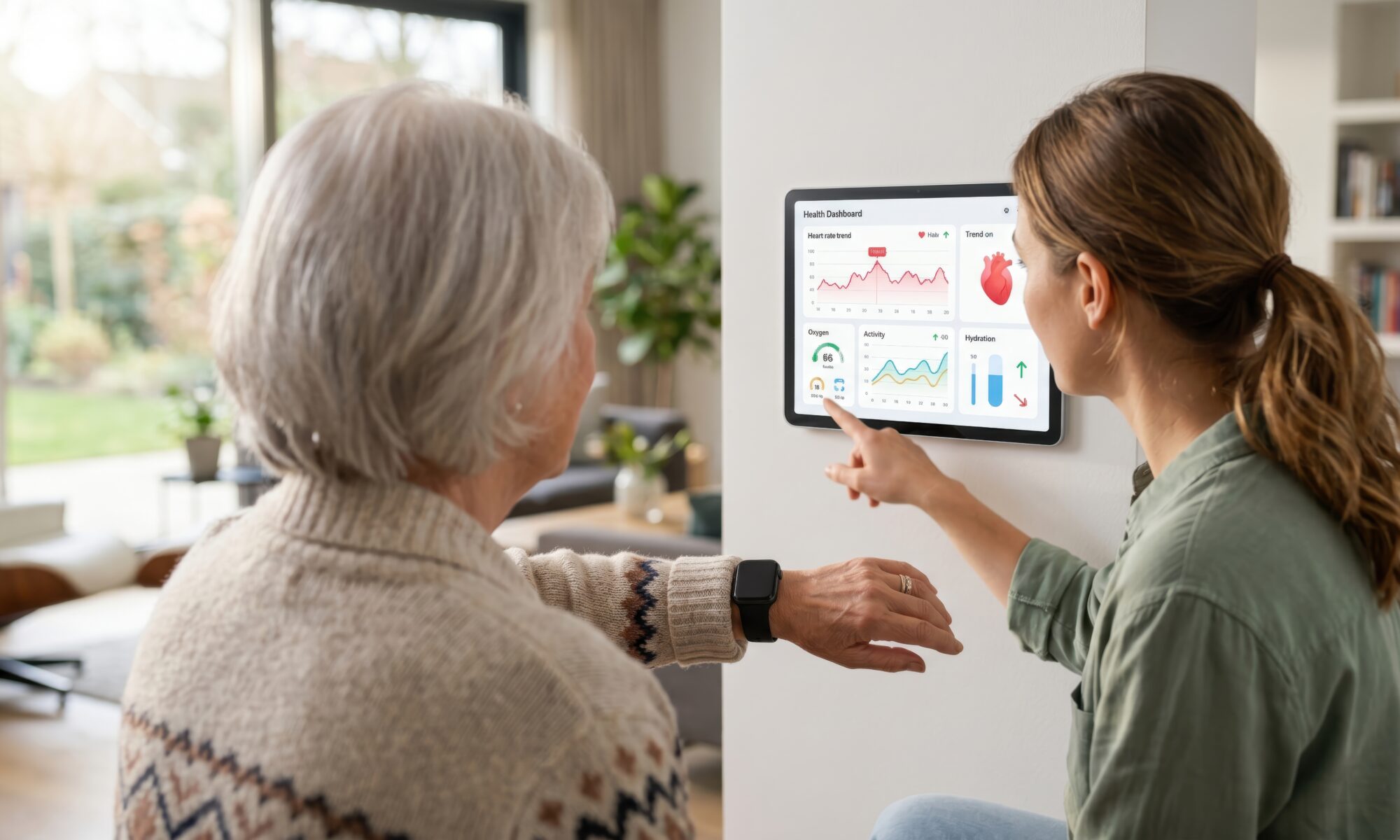
- Activity dashboards that show daily patterns at a glance
Remote monitoring is a useful tool, but it can’t replace the supervision and personalized care a senior gets from an in-home caregiver. One of the most challenging tasks of helping an elderly relative age in place safely and comfortably is researching agencies that provide home care. Families can turn to Assisting Hands Home Care for reliable, high-quality Wilmington home care for aging adults. We offer 24-hour care for seniors who require extensive assistance, and we also offer respite care for family caregivers who need a break from their caregiving duties.
Why Should Families Consider Remote Monitoring?
Families often live far from aging loved ones, making constant in-person visits difficult. Remote monitoring closes that gap by offering real-time insight into a senior’s wellbeing. Key benefits include:
- Faster response times when something seems off
- Reduced caregiver stress through around-the-clock awareness
- More independence for seniors who want to stay home
- Better communication between family members and caregivers
- Lower long-term costs compared to full-time supervision
Living independently is important for seniors who want to maintain a high quality of life. For some, this simply means receiving help with tasks that have become more challenging to manage over time. Even when families have the best intentions, they may not have the time to provide the care their elderly loved ones need and deserve. If your loved one needs help for a few hours a day or a few days a week, reach out to Assisting Hands Home Care, a trusted provider of respite and overnight care Wilmington seniors can depend on.
How Do You Choose the Right Monitoring System?
Choosing the right system depends on your loved one’s needs, home layout, and comfort with technology. Choose a simpler setup if ease of use matters more than advanced features. Consider these factors:
- Privacy preferences – Some seniors prefer sensors over cameras.
- Ease of installation – Plug-and-play devices work well for non-technical households.
- Connectivity – Reliable Wi-Fi is essential for most systems.
- Scalability – Pick a system you can expand as needs change.
- Alerts and notifications – Look for customizable alerts that fit your routine.
How Can You Set Up a System Successfully?
A smooth setup starts with planning and open conversations. Involve your loved one early so he or she feels comfortable and respected throughout the process. Follow these steps:
- Start small with one or two devices, then add more over time.
- Test alerts to make sure notifications reach the right people.
- Place sensors thoughtfully in high-traffic areas like kitchens and hallways.
- Train all caregivers on how to read dashboards and respond to alerts.
- Review regularly to confirm the system still meets evolving needs.
What Privacy Concerns Should You Address?
Privacy is one of the biggest factors in successful adoption. Seniors are more likely to accept monitoring when they understand how their information is used and protected. Address these points:
- Get consent before installing any device.
- Choose discreet options like motion sensors over cameras in private spaces.
- Limit data access to trusted family members and caregivers.
- Use secure systems with strong passwords and encryption.
- Be transparent about what’s monitored and why.
Some seniors only require help with a few daily tasks so they can maintain their independence. However, those living with serious illnesses may need more extensive assistance. Luckily, there is professional 24-hour care for Wilmington seniors with health conditions that require extra support. Home can be a safer and more comfortable place for your loved one to live with the help of an expertly trained and dedicated around-the-clock caregiver. Assisting Hands Home Care can be your trusted partner when your loved one needs help with the challenges of aging. Call us today to learn about our high-quality in-home care service
Frequently Asked Questions
How much do remote monitoring systems cost?
+
Costs vary widely depending on the devices and features you choose, ranging from affordable single sensors to comprehensive multidevice packages. Many systems also include a monthly subscription for data access and alerts.
Do seniors need technical skills to use these systems?
+
No, most systems are designed to run in the background with little to no input from the senior. Caregivers and family members typically manage the dashboards and alerts.
Will remote monitoring replace in-person care?
+
No, remote monitoring is meant to supplement in-person care, not replace it. It helps caregivers stay informed and prioritize visits when they’re needed most.
What happens if the internet goes down?
+
Many systems include backup options like cellular connectivity or local storage to keep working during outages. It’s best to confirm these features before purchasing a system.
Are remote monitoring systems difficult to install?
+
Many devices are plug-and-play and can be set up without professional help. More complex systems may benefit from professional installation to ensure everything works together.