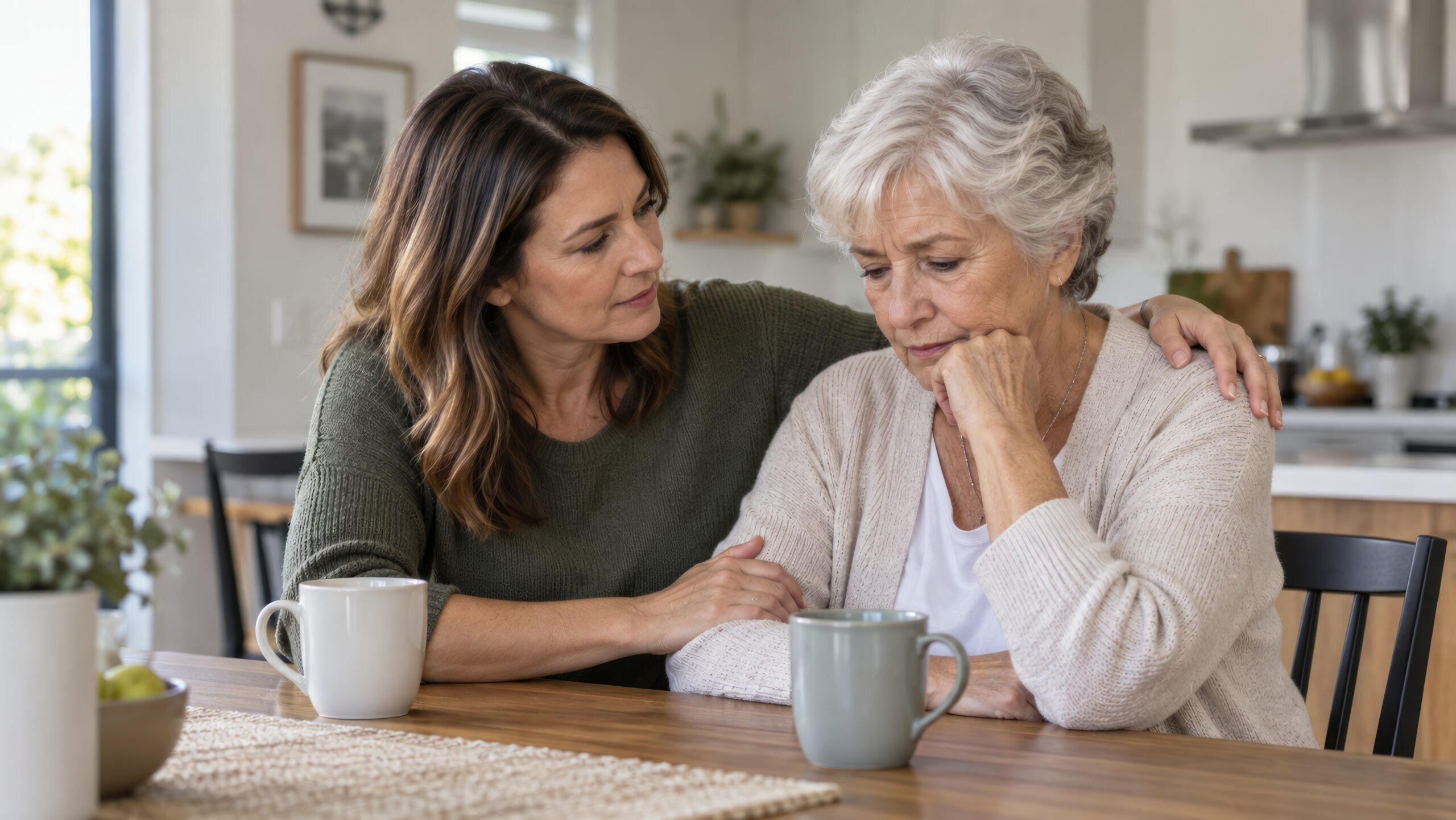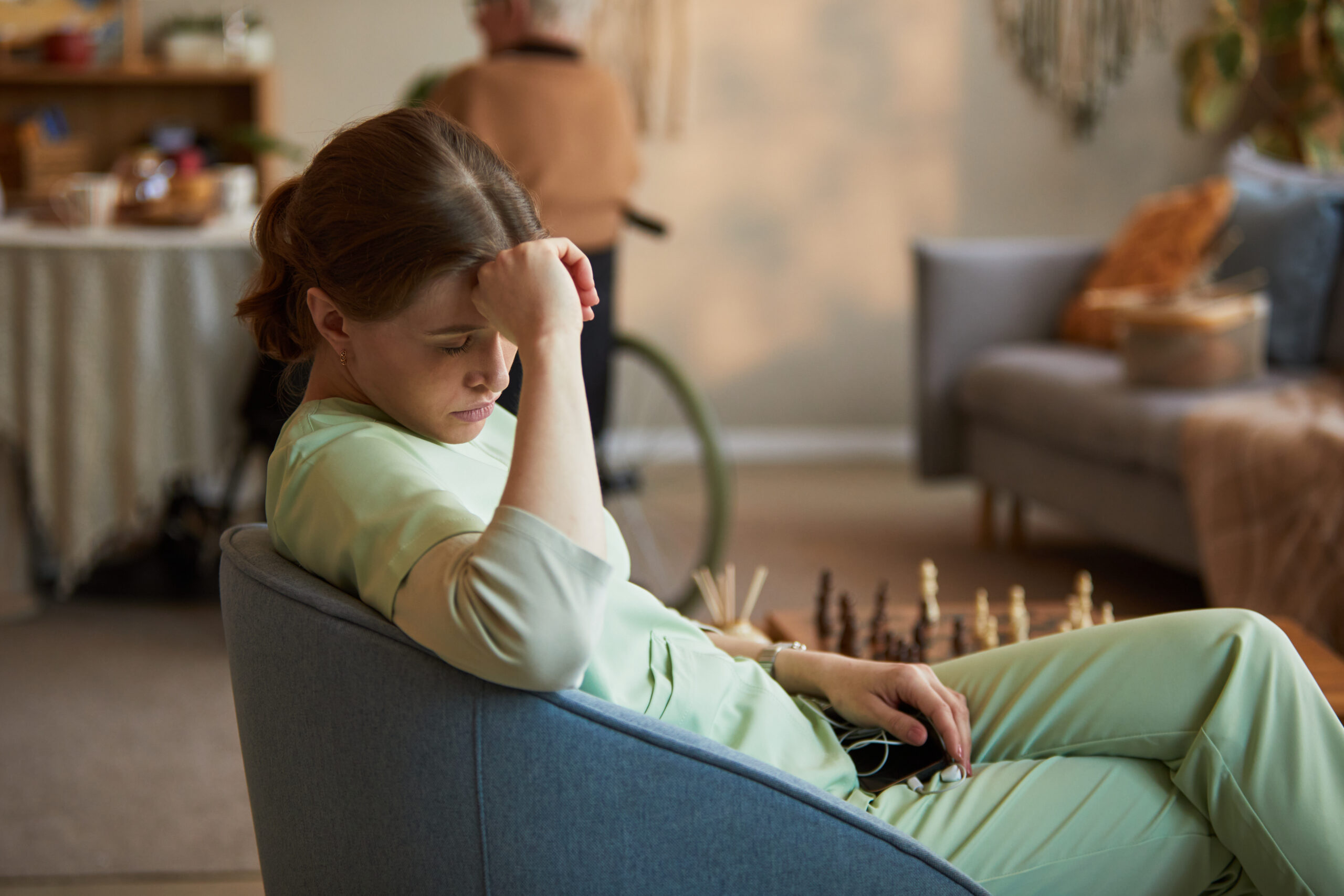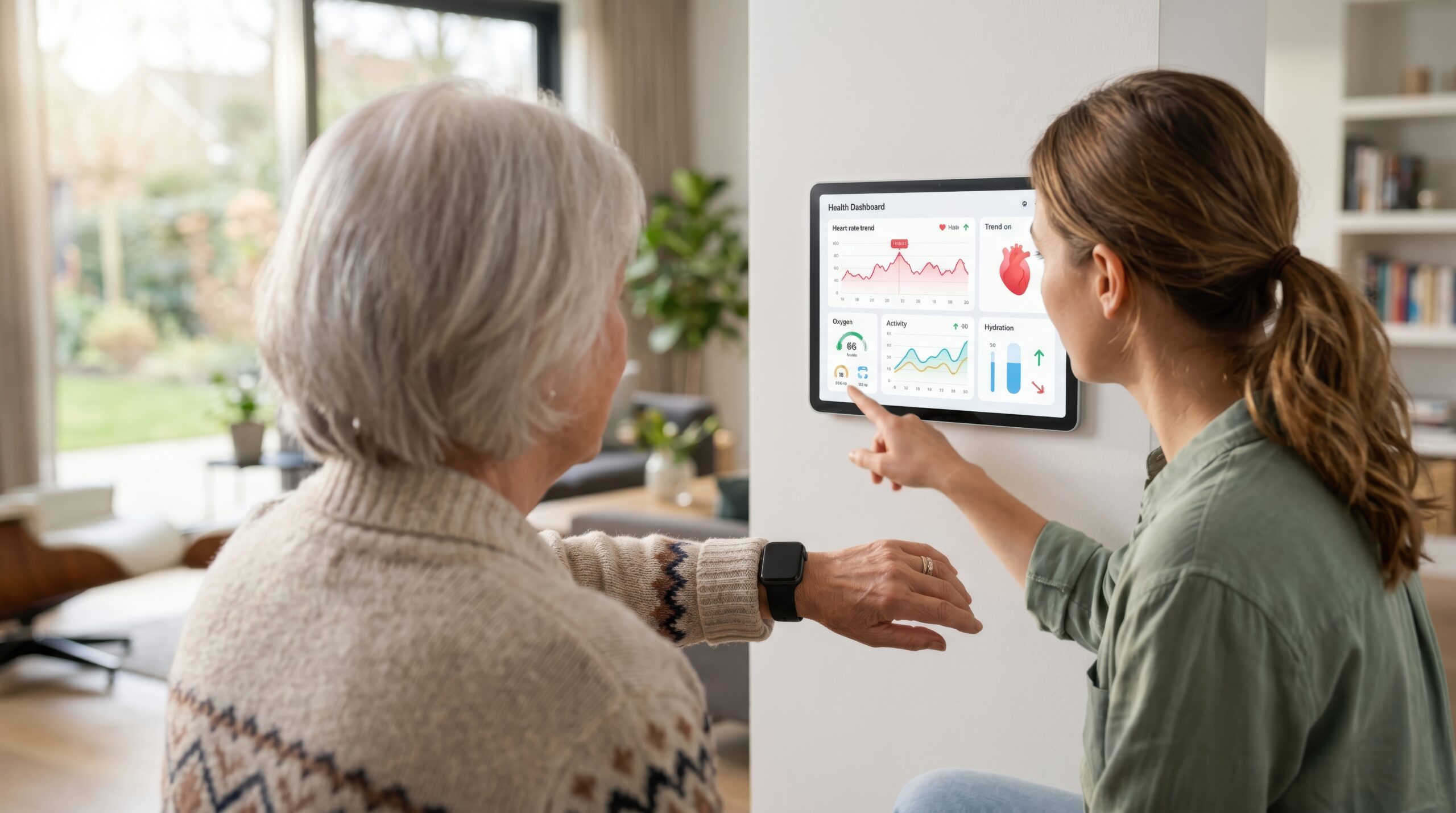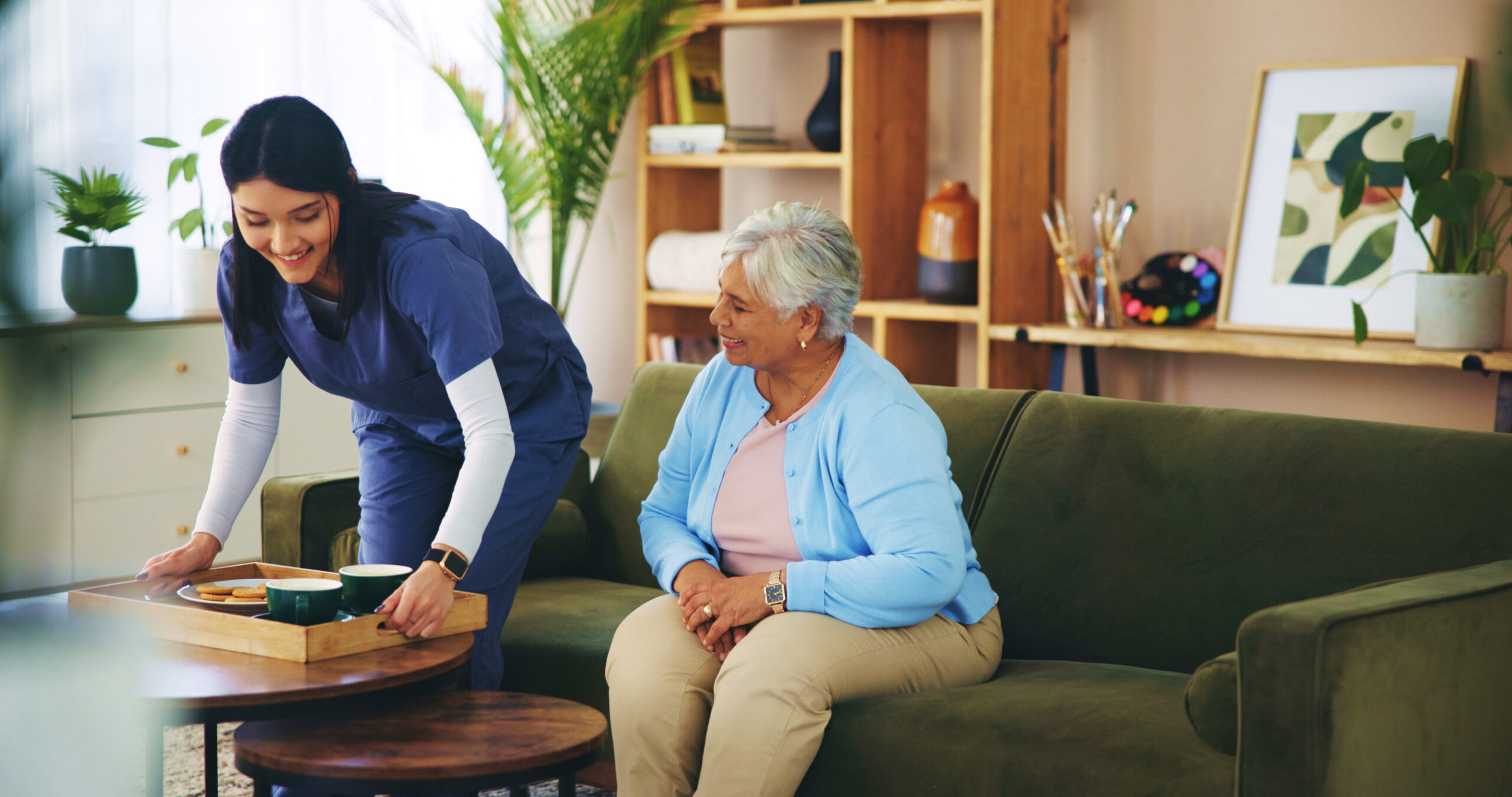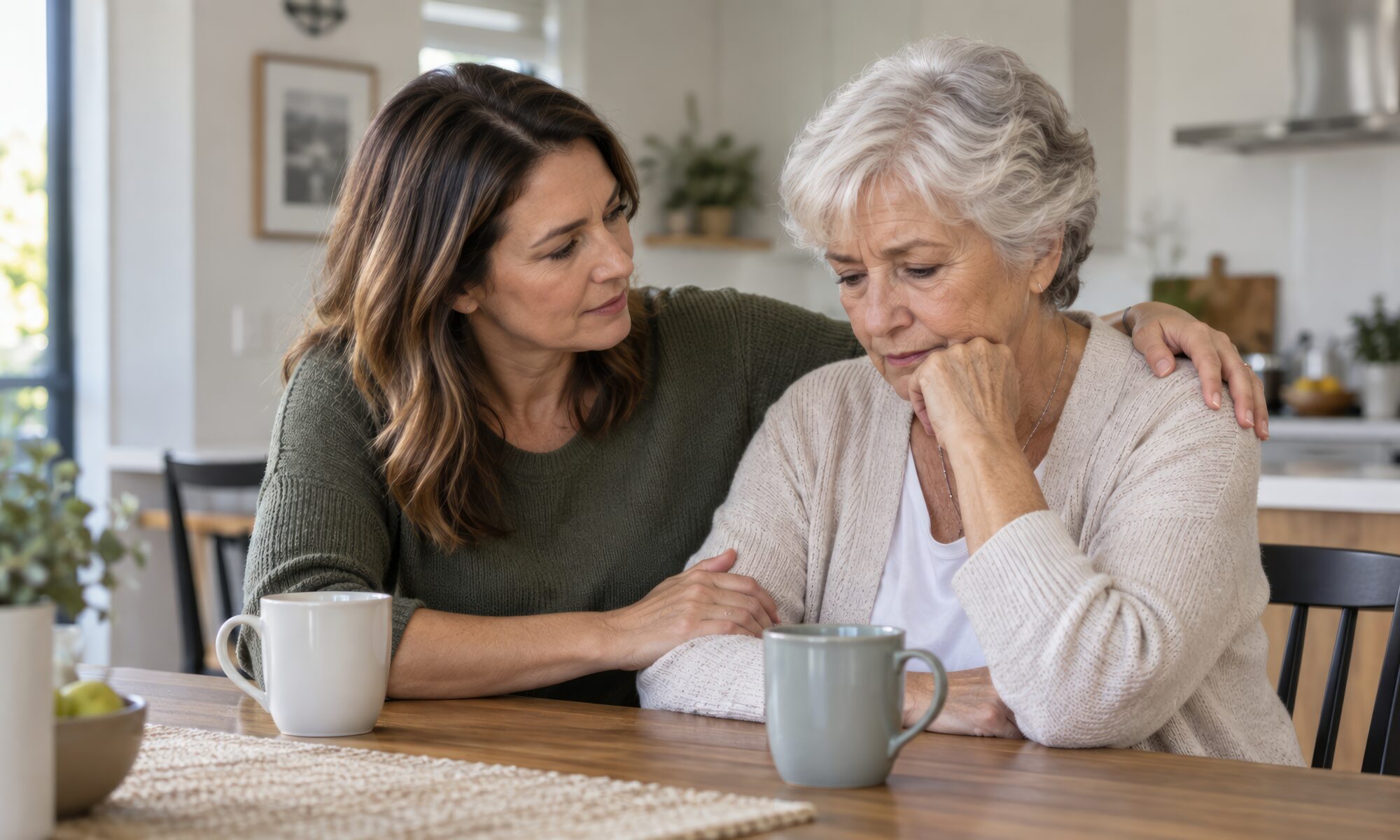
Home care needs typically increase when a senior loved one shows changes in mobility, memory, hygiene, medication organization, or safety awareness. Recognizing these shifts early allows families to adjust caregiving support before a minor issue becomes a crisis. Watching for patterns rather than isolated incidents is the most reliable way to know when it’s time to increase care.
What Are the Physical Signs that Care Needs Are Increasing?
Physical changes are often the easiest signs to notice because they show up in daily routines and appearance.
- Unsteady walking or frequent falls, even minor stumbles, can signal decreasing balance or strength.
- Noticeable weight loss or gain may point to trouble preparing meals or forgetting to eat.
- Unkempt appearance, such as wearing the same clothes repeatedly or skipping baths, often indicates the physical tasks of self-care have become difficult.
- Visible bruises or injuries suggest falls or accidents that may be going unreported.
When several of these signs appear together, it’s usually a signal that daily physical support needs to increase.
Many seniors prefer aging in place over moving to assisted living facilities. If your senior loved one needs assistance to remain safe and comfortable while living at home, reach out to Assisting Hands Home Care, a leading Wilmington in-home care agency. Our dedicated in-home caregivers can assist with meal prep, bathing and grooming, exercise, medication reminders, and many other important tasks.
How Does Cognitive Decline Signal a Need for More Support?
Cognitive changes tend to be more gradual, but they carry significant safety implications.
- Repeating questions or stories within short periods of time
- Getting lost in familiar places, including routes your loved one has driven for years
- Missing bill payments or appointments that were previously handled without issue
- Confusion about time, dates, or people that goes beyond simple forgetfulness
These patterns often indicate a loved one needs more structured supervision and reminders throughout the day, not just occasional check-ins.
Why Does Medication Organization Become a Red Flag?
Medication mistakes are one of the clearest indicators that home care needs to evolve, since errors can quickly lead to serious health complications.
- Skipped or duplicated doses found in pill organizers
- Expired prescriptions still sitting in the medicine cabinet
- Confusion about which medication treats what, especially with multiple prescriptions
- Refusing or forgetting medication without anyone else aware it’s happening
If medication organization has become inconsistent, it’s a strong sign that daily or even hourly oversight is now necessary.
What Household Changes Suggest Increased Care Is Needed?
The home environment often reflects a person’s ability to manage daily life independently.
- Piles of unopened mail or unpaid bills accumulating
- Spoiled food left in the refrigerator past its expiration date
- Unusual clutter or disorganization in a home that was once kept tidy
- Safety hazards, such as burnt pots left on the stove or tripping hazards left unaddressed
These household shifts often appear before seniors are willing to admit they need help, making them valuable early indicators for families to watch.
Living independently is important for seniors who want to maintain a high quality of life. For some, this simply means receiving help with tasks that have become more challenging to manage over time. Even when families have the best intentions, they may not have the time to provide the care their elderly loved ones need and deserve. If your loved one needs help for a few hours a day or a few days a week, reach out to Assisting Hands Home Care, a trusted provider of respite and overnight home care Wilmington seniors can depend on.
When Should Social and Emotional Changes Prompt a Care Reassessment?
Withdrawal from social activities and emotional shifts can be just as telling as physical or cognitive symptoms.
- Declining invitations to events your loved one once enjoyed
- Increased irritability or mood swings that feel out of character
- Signs of loneliness or depression, including a lack of interest in hobbies
- Reluctance to leave the house, even for routine errands
Emotional withdrawal signals your loved one is having difficulty keeping up with daily demands and may benefit from more consistent companionship and support.
Family caregivers need to care for their own wellbeing. If you’re caring for an aging loved one and are feeling overwhelmed, consider hiring a professional caregiver. Whether you need respite from your caregiving duties or your aging loved one needs Wilmington 24-hour home care, Assisting Hands Home Care can meet your family’s care needs. Our dedicated caregivers are available around the clock to assist seniors with bathing, grooming, and various other daily tasks, and we also offer specialized Alzheimer’s, dementia, stroke, and Parkinson’s care. If your loved one needs professional care, Assisting Hands Home Care is here to help. To hire a compassionate, dedicated caregiver, call us today.
Frequently Asked Questions
How often should families reassess a loved one’s care needs?
+
Most families benefit from reviewing care needs every three to six months or immediately after any fall, hospitalization, or noticeable behavioral change.
Is it normal for care needs to increase gradually rather than suddenly?
+
Yes. Gradual decrease in abilities is more common than sudden change, which is why tracking patterns over time is more reliable than judging a single incident.
What’s the difference between occasional forgetfulness and a real warning sign?
+
Occasional forgetfulness happens to everyone, but repeated confusion about time, safety, or familiar routines suggests a more significant shift requiring attention.
Can increased home care needs be temporary?
+
Yes. Needs can increase temporarily after surgery, illness, or a major life change, and care levels can often be adjusted back down as your loved one recovers.
Who typically notices these warning signs first?
+
Family members, friends, or regular visitors often notice these changes first, since they can compare current behavior to how their loved one acted in the past.