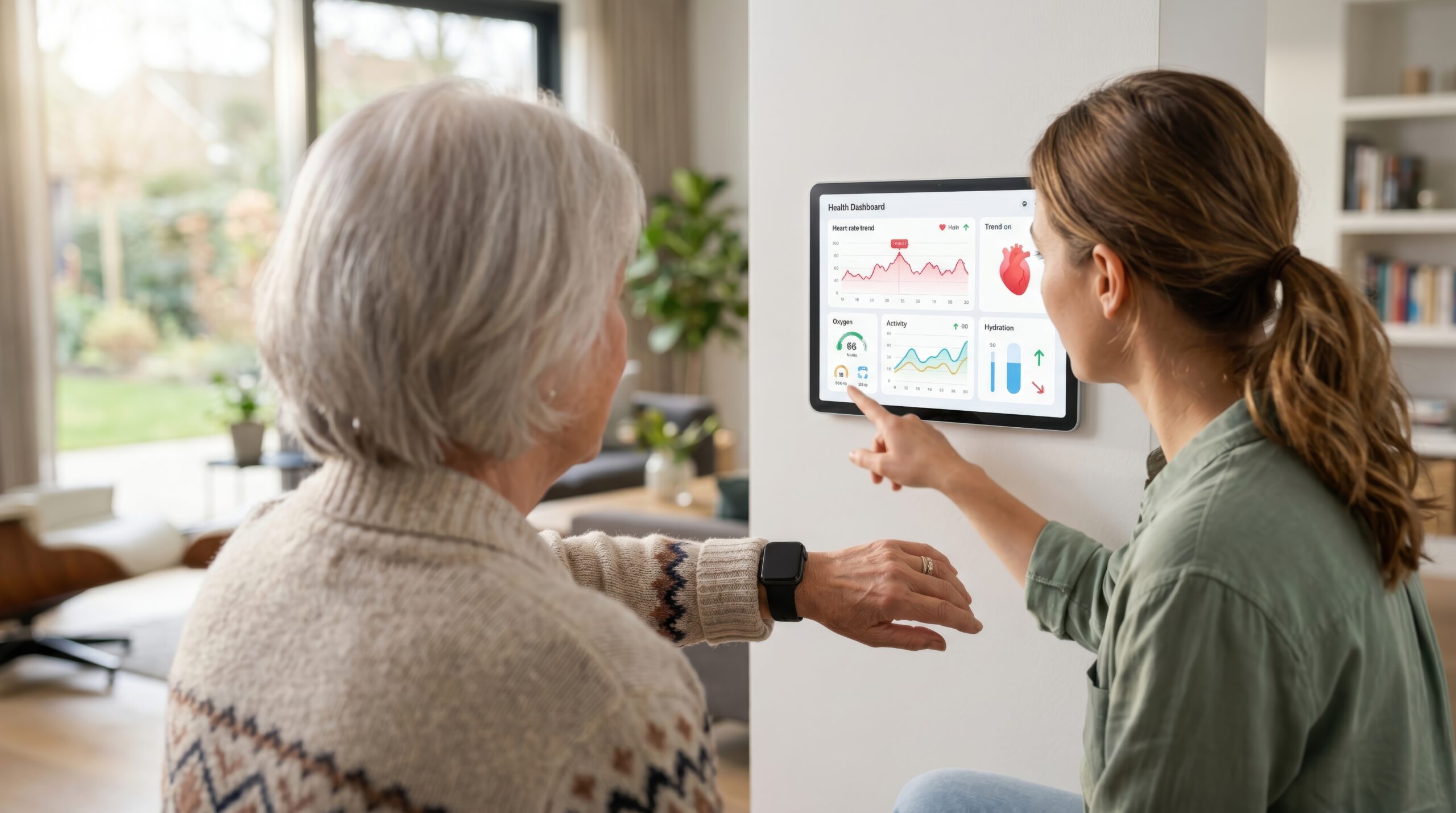
In-home care helps seniors manage chronic conditions by providing consistent daily support, encouraging healthy habits, and assisting with household tasks that might otherwise become overwhelming. This personalized approach allows older adults to maintain their independence while living safely in familiar surroundings. By focusing on practical lifestyle adjustments, caregivers make daily routines much more manageable and significantly enhance overall quality of life.
How Does In-Home Care Support Nutritional Needs?
Caregivers play a vital role in ensuring seniors maintain a balanced diet, which is crucial for managing the daily impact of long-term health challenges. They can plan weekly menus, purchase fresh groceries, and prepare nutritious meals that adhere to specific dietary restrictions.
- Planning healthy and flavorful meals
- Shopping for fresh ingredients and pantry staples
- Preparing portion-controlled dishes
Wilmington home care providers can benefit aging adults in a variety of ways. From cooking nutritious meals to offering timely medication reminders, the dedicated caregivers at Assisting Hands Home Care are available to help your elderly loved one 24 hours a day, 7 days a week.
What Role Do Caregivers Play in Encouraging Physical Activity?
Staying active is a proven way to increase joint mobility and overall stamina for older adults. In-home caregivers help seniors engage in safe, approved exercises by offering standby assistance during walks or guiding them through light stretching routines. This steady encouragement builds confidence and reduces the fear of falling during physical exertion.
If you’re the primary family caregiver for an elderly loved one, 24-hour care for Wilmington seniors is available around the clock if your loved one’s health has become too difficult to manage without professional expertise. At Assisting Hands Home Care, we take measures to help seniors prevent illness and injury by assisting with exercise and mobility, preparing nutritious meals, helping with bathing and other personal hygiene tasks, and much more.
How Can In-Home Support Increase Household Safety?
Chronic conditions often affect balance, vision, or strength, making standard household environments potentially hazardous. Caregivers mitigate these risks by keeping walkways clear of clutter, ensuring adequate lighting, and assisting with physically demanding chores.
- Removing trip hazards like loose rugs or cords
- Cleaning and organizing living spaces
- Assisting with heavy lifting, laundry, or bending
Why Is Companionship Important for Managing Chronic Health Issues?
Living with a persistent health challenge can lead to feelings of isolation and stress, which often worsen physical symptoms. Caregivers provide meaningful social interaction through regular conversations, playing games, or accompanying seniors to local community events. This emotional support greatly boosts mental wellbeing and helps older adults maintain a positive outlook on life.
Families who find it difficult to care for their aging loved ones without assistance can benefit greatly from professional respite and overnight care Wilmington seniors can rely on. Family caregivers who need a break from their caregiving duties can turn to Assisting Hands Home Care. Our caregivers can encourage your loved one to eat well, exercise regularly, get plenty of mental and social stimulation, and focus on other lifestyle factors that promote longevity. If you need professional care for your loved one, reach out to one of our Care Specialists today.
Frequently Asked Questions
What types of chronic conditions can in-home caregivers manage?
+
Caregivers assist with the daily lifestyle challenges associated with conditions like arthritis, diabetes, Alzheimer’s disease, and chronic heart disease. They focus on establishing healthy routines and maintaining safe, comfortable home environments.
Can caregivers provide transportation to appointments?
+
Yes, in-home caregivers frequently drive seniors to their scheduled appointments, grocery stores, and social outings. This ensures older adults can safely run errands without relying on public transit or family members.
How often can an in-home caregiver visit?
+
Care schedules are highly flexible and can range from a few hours a week to around-the-clock daily support. Families can adjust the frequency of visits based on the senior’s specific needs and comfort level.
Do caregivers help with personal hygiene?
+
Absolutely, caregivers provide discreet and respectful assistance with bathing, grooming, and dressing. This support helps seniors maintain their dignity while preventing accidental slips or falls in the bathroom.