Music therapy has emerged as a powerful nonpharmaceutical intervention for individuals living with dementia. Research shows musical activities can significantly boost quality of life, reduce behavioral symptoms, and enhance cognitive function in people with various forms of dementia.
Cognitive Stimulation and Memory Enhancement
Music therapy provides unique cognitive benefits that can slow the progression of memory-related symptoms. When people with dementia engage with familiar songs, they often experience moments of clarity and increased recall.
Key cognitive benefits include:
- Better memory recall – Familiar melodies can trigger long-term memories that remain intact despite cognitive decline.
- Enhanced attention span – Musical activities require focus, helping seniors maintain concentration abilities.
- Language stimulation – Singing and rhythm exercises can preserve and enhance speech patterns.
- Sequential thinking – Following musical patterns helps seniors maintain organizational cognitive skills.
The brain’s response to music involves multiple regions simultaneously, creating neural pathways that can bypass damaged areas associated with dementia.
Listening to music is just one of the many ways older adults can boost their wellbeing. Maintaining a high quality of life can be challenging for some seniors, but professional caregivers can help them attain this goal. Families can trust homecare services experts in Wilmington to help their elderly loved ones focus on lifestyle choices that increase the chances of living longer and healthier lives.
Emotional and Behavioral Benefits
Music therapy addresses many challenging behavioral symptoms commonly associated with dementia, offering relief for both dementia patients and their caregivers.
Emotional benefits include:
- Reduced agitation and anxiety – Calming melodies can decrease restlessness and aggressive behaviors.
- Mood elevation – Upbeat music stimulates the release of dopamine and endorphins.
- Decreased depression symptoms – Regular musical engagement combats feelings of isolation and sadness.
- Enhanced sleep patterns – Relaxing music before bedtime can regulate circadian rhythms.
These behavioral changes often lead to a reduced need for psychotropic medications, which can have significant side effects in elderly populations.
Social Connection and Communication
Dementia often leads to social withdrawal and communication difficulties. Music therapy creates opportunities for meaningful interaction and connection with others.
Social benefits include:
- Enhanced communication – Music provides alternative ways to express emotions when words become difficult.
- Group participation – Singing groups and musical activities foster community involvement.
- Family bonding – Shared musical experiences create positive interactions between dementia patients and loved ones.
- Caregiver relationships – Music sessions enhance the quality of interactions with professional caregivers.
These social connections are crucial for maintaining dignity and personhood throughout the progression of dementia.
Physical Health and Motor Function
Music therapy incorporates movement and rhythm that can help seniors with dementia maintain physical abilities and coordination.
Physical benefits include:
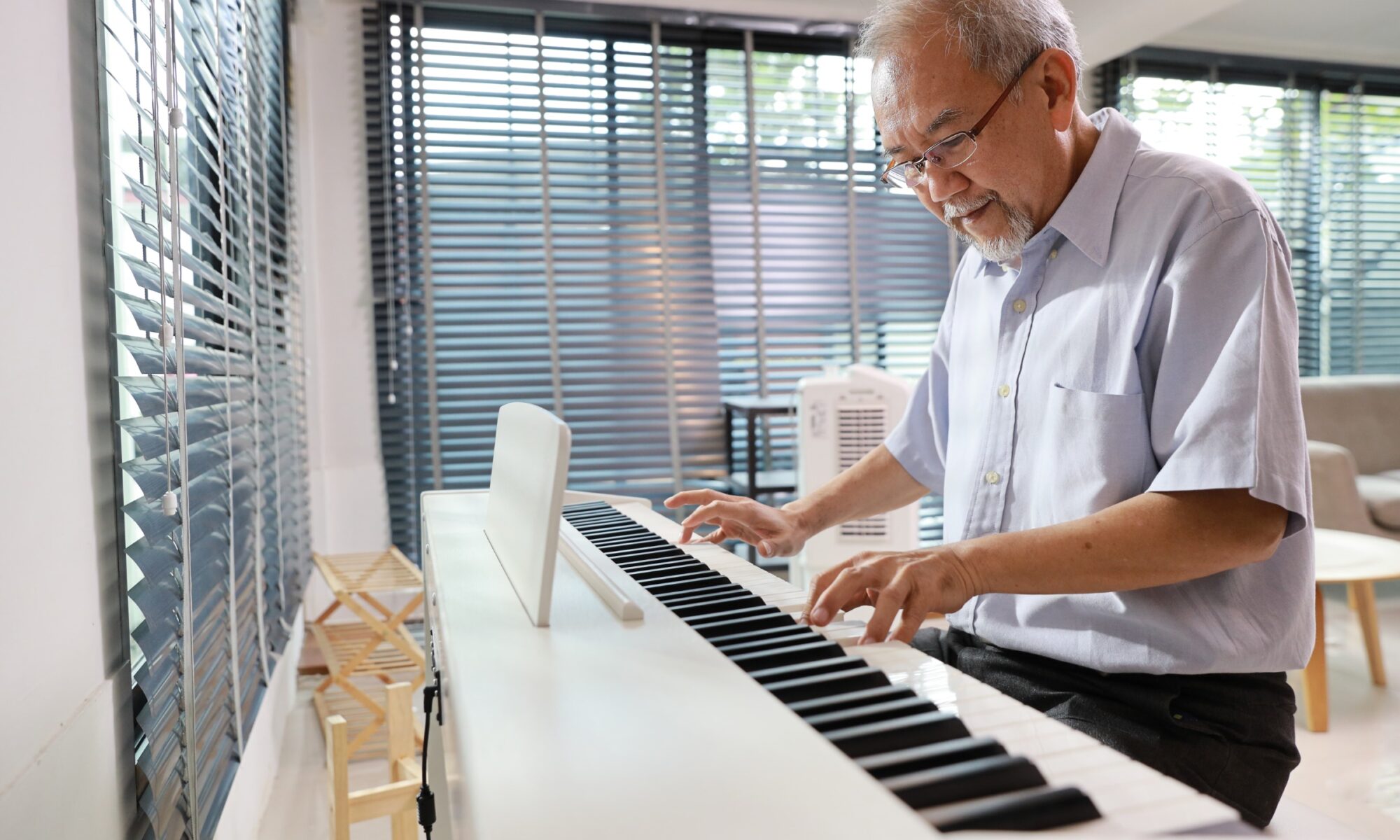
- Increased motor coordination – Clapping, dancing, and playing instruments enhance fine and gross motor skills.
- Better balance and gait – Rhythmic walking exercises can reduce fall risk.
- Increased physical activity – Dancing and movement to music provide gentle exercise.
- Reduced muscle tension – Relaxing music can decrease physical stress and stiffness.
Regular musical movement activities can help seniors maintain independence and mobility for longer.
Some seniors only require help with a few daily tasks so they can maintain their independence. However, those living with serious illnesses may need more extensive assistance. Luckily, there is professional live-in care Wilmington seniors can rely on. Home can be a safer and more comfortable place for your loved one to live with the help of an expertly trained and dedicated around-the-clock caregiver.
Implementation and Practical Considerations
Music therapy can be implemented in various settings, from professional healthcare facilities to home environments. Trained music therapists can design personalized programs based on individual preferences and cultural backgrounds.
Effective implementation strategies include:
- Personalized playlist creation – Using songs from the senior’s youth and cultural background
- Regular session scheduling – Consistent timing to establish routine and anticipation
- Family involvement – Teaching family members simple musical interventions they can use at home
- Multi-sensory approaches – Combining music with visual and tactile elements for enhanced engagement
The accessibility and low-risk nature of music therapy make it an ideal complementary treatment for dementia care, offering hope and a higher quality of life for both dementia patients and their families.
Aging in place can present a few challenges for seniors living with dementia. However, with professional dementia care that offers Wilmington families peace of mind, they can still live independently at home. Families can rely on Assisting Hands Home Care to provide their elderly loved ones with mental and social stimulation, timely medication reminders, assistance with meal prep, and much more. Our caregivers are available around the clock to help your loved one live a happier and healthier life. To learn more about our highly trained caregivers, call us today.