The fight against dementia has reached a pivotal moment, with several groundbreaking treatments showing unprecedented promise. Recent clinical trials and FDA approvals are offering new hope to millions of dementia patients and their families worldwide.
New FDA-Approved Medications
The FDA has approved two significant medications that represent major advances in Alzheimer’s treatment. These drugs target amyloid plaques in the brain, which are believed to contribute to cognitive decline.
Aducanumab (Aduhelm) was the first new Alzheimer’s drug approved in nearly two decades, though it remains controversial due to mixed clinical trial results. More recently, lecanemab (Leqembi) received full FDA approval after demonstrating a 27 percent reduction in cognitive decline in clinical trials.
Key benefits of these new treatments include:
- Slowing the progression of mild cognitive impairment
- Targeting underlying disease mechanisms rather than just symptoms
- Providing hope for early-stage dementia patients who previously had limited options
There are many reasons seniors might need assistance at home. Some may require regular mental stimulation due to an Alzheimer’s diagnosis, while others might only need part-time assistance with exercise and basic household tasks. Assisting Hands Home Care is a leading at-home care provider. Families rely on our expertly trained caregivers to help their senior loved ones maintain a high quality of life.
Breakthrough Blood Tests for Early Detection
Revolutionary blood tests are transforming how doctors diagnose dementia, making detection possible years before symptoms appear. These tests measure specific proteins in the blood that indicate brain changes associated with Alzheimer’s disease.
The most promising developments include:
- P-tau217 blood tests that can detect Alzheimer’s pathology with 96 percent accuracy
- Neurofilament light chain tests that identify brain damage early
- Multibiomarker panels that distinguish among different types of dementia
These tests cost significantly less than traditional PET scans and could make screening accessible to millions more dementia patients worldwide.
Digital Therapeutics and Cognitive Training
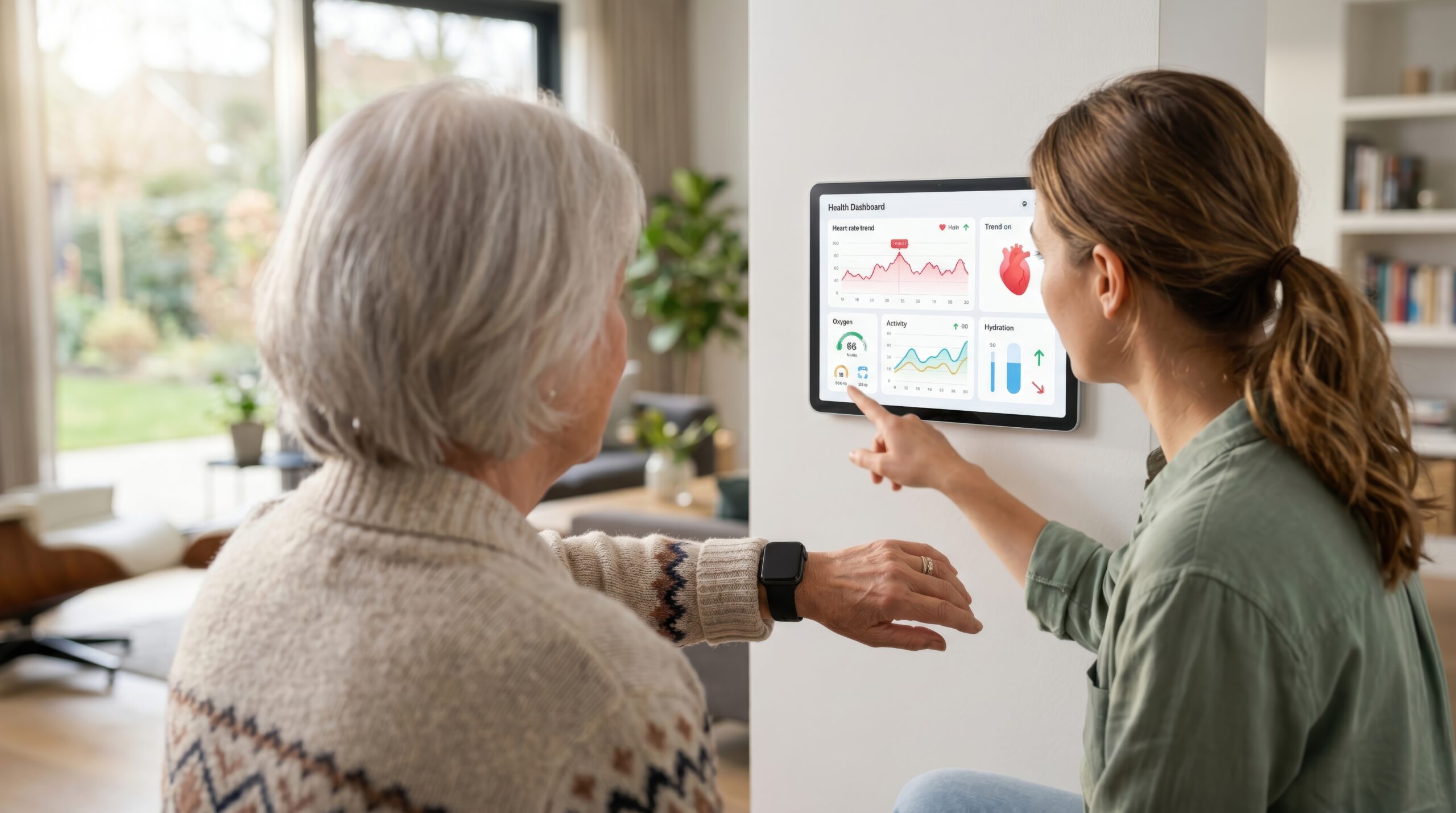
Technology-based treatments are emerging as powerful tools in dementia care. Digital therapeutics use apps, virtual reality, and computer programs to stimulate cognitive function and slow the progression of cognitive decline.
Recent studies have shown promising results with:
- Computerized cognitive training programs that enhance memory and attention
- Virtual reality experiences that help dementia patients with spatial navigation
- AI-powered apps that personalize brain training exercises
- Digital biomarker tracking through smartphone sensors
These interventions can be used at home, making treatment more accessible and cost-effective for dementia patients and caregivers.
Lifestyle Interventions
Research continues to strengthen the connection between lifestyle factors and dementia prevention. Large-scale studies are providing concrete evidence that certain interventions can reduce dementia risk by up to 40 percent.
The most effective lifestyle interventions include:
- Regular physical exercise, particularly aerobic activities
- Mediterranean and MIND diets rich in omega-3 fatty acids
- Social engagement and mentally stimulating activities
- High-quality sleep and stress management techniques
- Management of cardiovascular risk factors
These findings have led to the development of comprehensive lifestyle intervention programs that combine multiple approaches for maximum benefit.
If you have a senior loved one who needs help maintaining a high quality of life while aging in place, reach out to Assisting Hands Home Care, a leading provider of home care Wilmington families can trust. Our caregivers help seniors focus on healthy lifestyle habits such as eating nutritious foods, exercising regularly, and maintaining strong social ties, and we offer mentally stimulating activities that can boost cognitive health and delay the onset of dementia.
Gene Therapy and Precision Medicine Advances
Cutting-edge gene therapy approaches are showing remarkable potential in early clinical trials. Researchers are developing treatments that can modify genetic factors contributing to dementia or deliver therapeutic proteins directly to the brain.
Recent breakthroughs in this field include:
- APOE gene editing techniques to reduce Alzheimer’s risk
- Viral vector therapies that deliver neuroprotective factors
- Personalized treatments based on individual genetic profiles
- Stem cell therapies that aim to repair damaged brain tissue
While still in experimental stages, these treatments represent the future of precision medicine for dementia care.
Aging in place can present a few challenges for seniors living with dementia. However, they can still live independently at home with the help of professional dementia care. Wilmington families can rely on Assisting Hands Home Care to provide their elderly loved ones with mental and social stimulation, timely medication reminders, assistance with meal prep, and much more. Our caregivers are available around the clock to help your loved one live a happier and healthier life. To learn about our high-quality in-home care options, give us a call today.