Caring for a senior loved one with dementia involves finding ways to support his or her memory and daily routines. Memory aids can play a crucial role in enhancing quality of life, promoting independence, and reducing anxiety. Here are some of the most effective tools and strategies to assist individuals living with dementia.
Visual Cues and Labels
Placing clear, easy-to-read labels and signs around the home can make a significant difference. Visual cues act as constant reminders, helping individuals navigate their environment and complete daily tasks with greater confidence. This simple strategy can reduce confusion and frustration for both you and your loved one.
- Labeling – Use large bold text to label drawers, cupboards, and rooms. For example, label kitchen cabinets with “Plates,” “Cups,” and “Utensils.” In the bedroom, label drawers “Socks” or “Shirts.”
- Photographs – Attaching photos to labels can be even more helpful. A picture of a toilet on the bathroom door or a photo of family members with their names on a contact list can provide quick visual recognition.
- Color-coding – Using distinct colors for different areas or items can also help. For instance, you could use red-colored items for the bathroom and blue for the kitchen to help with orientation.
There are a variety of age-related health conditions that can make it more challenging for seniors to live independently. However, many of the challenges they face can be easier to manage if their families opt for professional Wilmington home care. Families can rely on expertly trained caregivers to keep their loved ones safe and comfortable while aging in place.
Memory Books and Journals
Creating memory books or life story journals is a wonderful way to help seniors with dementia connect with their pasts and reaffirm their identities. These personalized books contain photos, mementos, and short descriptions of important people, places, and events from their lives.
Reviewing the books together can be a calming and enjoyable activity. It can spark conversations and trigger positive emotions associated with cherished memories. Include milestones like weddings, births of children, favorite holidays, and past careers. The tangible nature of a book provides a comforting and accessible way to revisit personal history.
Digital Tools and Assistive Technology
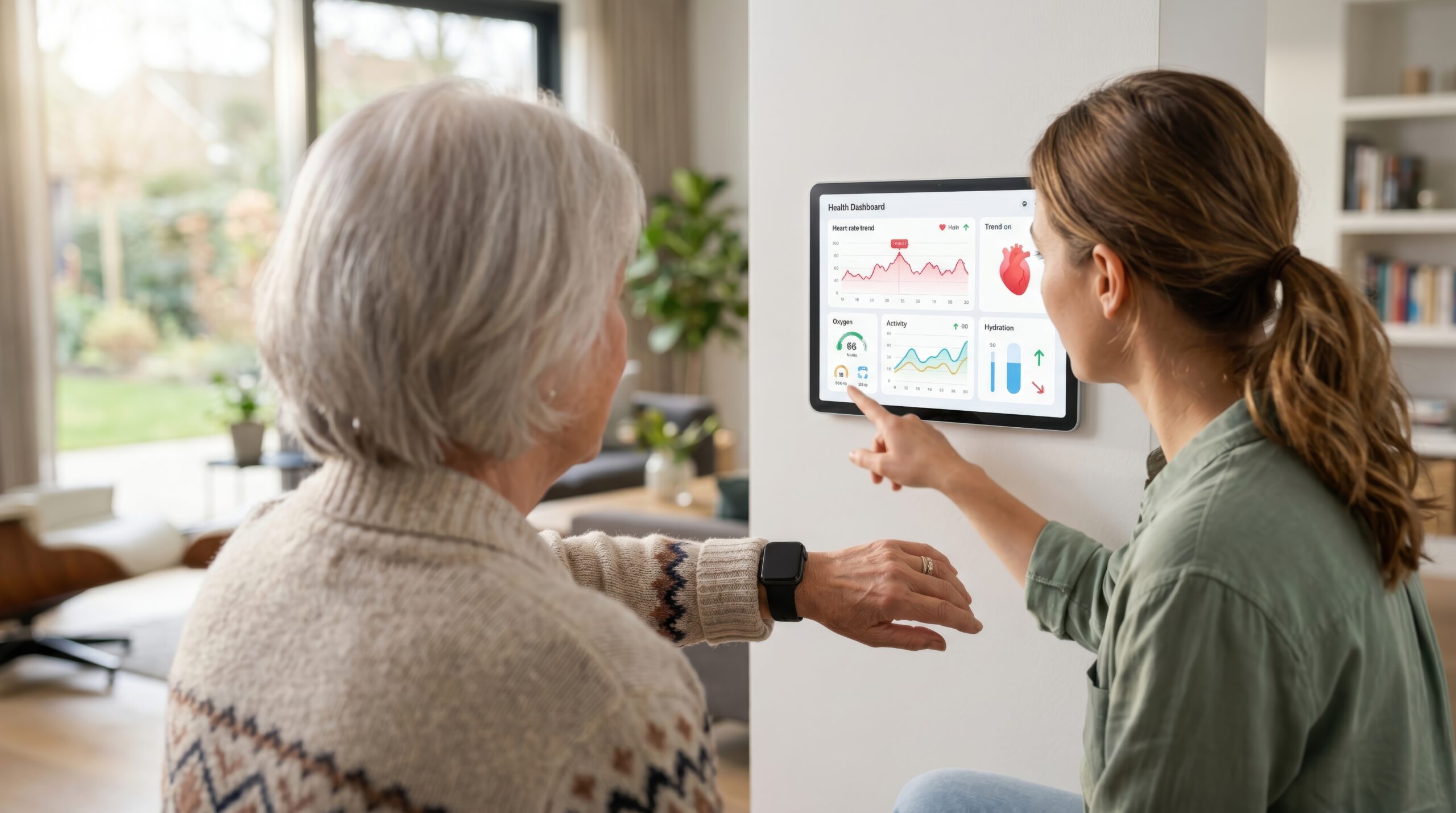
Technology offers a range of innovative solutions to support memory and daily routines. Many devices are designed with simplicity in mind, making them accessible for individuals who may not be tech-savvy.
- Digital clocks – Specialized clocks that display the day, date, time, and part of the day (e.g., “Tuesday morning”) can orient your loved one in time and reduce confusion.
- Automated pill dispensers – These devices can be programmed to dispense the correct medication at specific times, often with an audible alarm or flashing light, ensuring medication is taken safely and on schedule.
- Reminder apps – Simple apps on a tablet or smartphone can be set up to provide verbal or visual reminders for appointments, meals, and other important activities.
- GPS trackers – For individuals who may wander, wearable GPS tracking devices can provide peace of mind for caregivers by allowing them to locate their loved ones quickly.
Caring for seniors with dementia can be challenging for family caregivers. Luckily, there is dementia care Wilmington families can rely on. Professional dementia caregivers help seniors with dementia stay safe and comfortable at home by preventing wandering, providing cognitive stimulation, and assisting with household chores.
Routine and Structure
While not a physical aid, a consistent daily routine is one of the most powerful tools for managing dementia. A predictable schedule can reduce anxiety and uncertainty because your loved one knows what to expect throughout the day.
Create a structured but flexible routine that includes set times for waking up, meals, activities, and bedtime. Write the schedule on a whiteboard or large calendar placed in a central location like the kitchen. Referring to this schedule can help your loved one stay on track and feel a sense of control over the day. Keeping activities simple and breaking them down into manageable steps can also foster a sense of accomplishment.
These kinds of aids and tools can enhance safety and quality of life for seniors with dementia, and so can having a trained caregiver close by. Certain age-related conditions can make it more challenging for older adults to age in place safely and comfortably, but experts in live-in care for Wilmington seniors are available around the clock to help aging adults manage their health. Whether your loved one is living with dementia or recovering from a stroke, you can trust the professional caregivers from Assisting Hands Home Care to enhance his or her quality of life. If your loved one needs help with the challenges of aging, call one of our compassionate Care Specialists today.