Table of Content
- 1 What Types of Low-Impact Exercises Help Seniors Stay Physically Active?
- 2 How Can Social Interaction Be Maintained for Seniors Receiving Home Care?
- 3 Which Activities Support Cognitive Health and Mental Engagement in Seniors?
- 4 How Can Technology Be Used to Keep Seniors Connected and Entertained?
- 5 How Do Daily Routines Create Purpose for Seniors Receiving Care?
Helping a senior loved one stay active and engaged while receiving home care involves combining gentle physical activity, regular social interaction, mental stimulation, and a meaningful daily routine. While each individual’s abilities vary, consistent, enjoyable activities tailored to his or her interests can enhance health, independence, and overall wellbeing.
Maintaining physical and mental activity is essential for a senior’s overall health and quality of life. Even small changes to a daily routine can significantly boost mood, mobility, and independence.
What Types of Low-Impact Exercises Help Seniors Stay Physically Active?
Low-impact exercises support mobility, reduce pain, and boost cardiovascular health without putting excess strain on the body. Physical movement is one of the most effective ways to combat mobility issues and chronic pain. However, exercise for seniors doesn’t need to be strenuous to be effective. The goal is consistent movement that gets the heart rate up slightly without risking injury. Always consult a doctor before starting a new regimen, but consider incorporating these accessible options:
- Daily walks – A short walk around the block or a local park provides fresh air and cardiovascular benefits.
- Chair yoga – This modifies traditional yoga poses so they can be done while seated, enhancing flexibility and balance without the risk of falling.
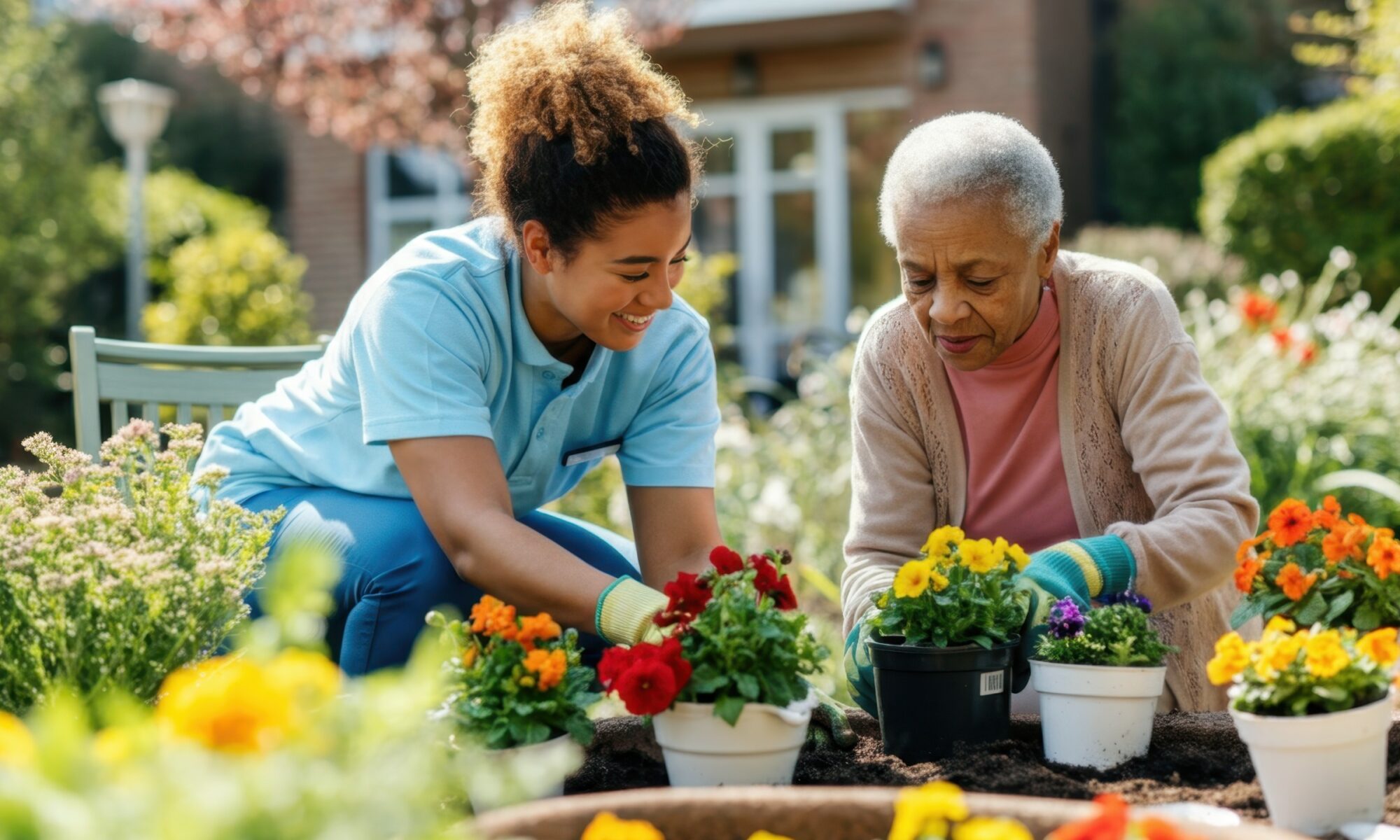
- Gardening – Digging, planting, and watering are excellent for hand-eye coordination and provide a tangible reward for the effort.
- Swimming or water aerobics – Water provides resistance while removing stress from aching joints, making it an ideal workout environment for those with arthritis.
How Can Social Interaction Be Maintained for Seniors Receiving Home Care?
Consistent social engagement reduces isolation and supports emotional and cognitive health for older adults. Isolation is a significant health risk for older adults, often leading to depression and cognitive decline. Keeping your loved one socially engaged is just as important as keeping him or her physically fit. You can help your loved one maintain his or her social circle by facilitating transportation or helping him or her use technology.
Look for opportunities within your local community, such as:
- Senior centers – Most communities have centers that offer scheduled activities, lunches, and group outings.
- Clubs and interest groups – Whether it’s a book club, a knitting circle, or a bingo night, shared interests are great for bonding.
- Family gatherings – Regular visits from family members, especially grandchildren, can provide a massive emotional boost.
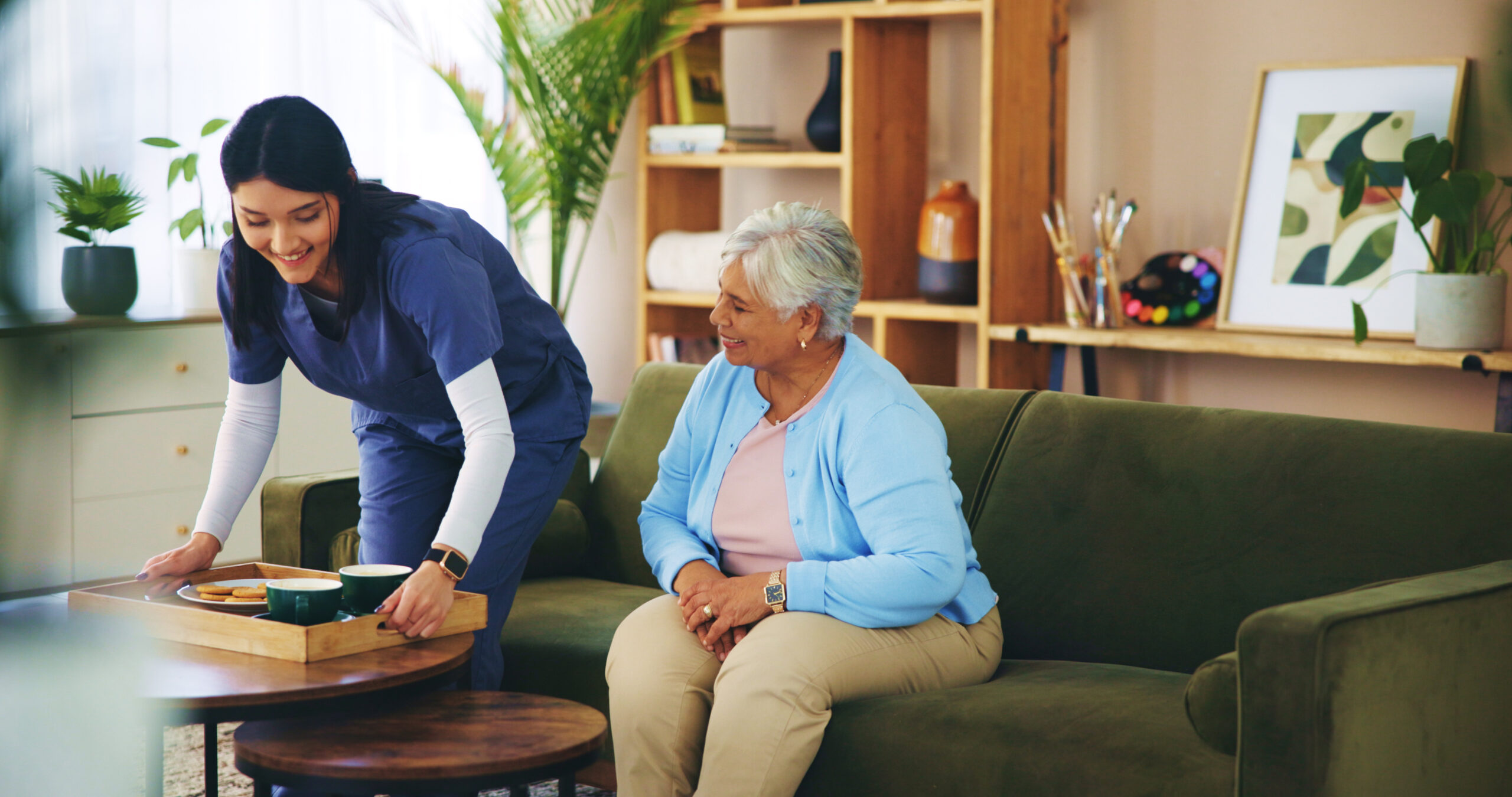
Respite care can be a wonderful solution for Wilmington families when their aging loved ones need companionship and socialization a few hours a week or just need minor assistance with daily household tasks. At Assisting Hands Home Care, we thrive on helping seniors maintain their independence while living in the comfort of home.
Which Activities Support Cognitive Health and Mental Engagement in Seniors?
Mentally stimulating activities preserve memory, sharpen thinking skills, and support emotional wellbeing. Just like the body, the brain needs exercise to stay sharp. Engaging in mentally stimulating activities can slow memory loss and boost cognitive function. It’s important to find activities that are challenging but not frustrating.
Try introducing games or hobbies that require focus and problem-solving:
- Puzzles and games – Sudoku, crosswords, and jigsaw puzzles are classic brain trainers.
- Reading – Audiobooks are a fantastic alternative for seniors who may have vision problems but still love a good story.
- Arts and crafts – Painting, scrapbooking, or woodworking allows for creative expression and fine motor skill practice.
- Learning a new skill – It’s never too late to learn something new, whether it’s a few phrases in a new language or how to use a new kitchen gadget.
Mental stimulation is especially important for seniors who are living with cognitive decline due to age-related conditions such as Alzheimer’s or dementia. If your senior loved one needs professional dementia care in Wilmington, caregivers are available around the clock to provide the high-quality care he or she needs. Our dementia caregivers can help your loved one stay mentally engaged and delay the progression of the disease.
How Can Technology Be Used to Keep Seniors Connected and Entertained?
User-friendly technology tools can expand access to communication, entertainment, and daily support at home. While technology can sometimes be intimidating for older generations, it can also be a lifeline to the outside world. With a little patience and teaching, digital tools can open up new avenues for entertainment and connection.
Simple tablets and smartphones can be set up with large text and easy-to-use apps. You can teach your loved one to use:
- Video calls – Platforms like FaceTime or Zoom allow your loved one to see relatives who live far away.
- Voice-activated assistants – Smart speakers (like Alexa or Google Home) can play music, tell jokes, give news updates, or set medication reminders with simple voice commands.
- Streaming services – Access to old movies, documentaries, and music from your loved one’s youth can be incredibly comforting and engaging.
How Do Daily Routines Create Purpose for Seniors Receiving Care?
Consistent routines with meaningful tasks helps seniors feel useful, confident, and emotionally fulfilled. Everyone wants to feel valuable and needed. When seniors retire or lose some physical ability, they often feel a loss of purpose. Reintroducing a sense of responsibility can significantly boost their self-esteem.
Involve your loved one in daily tasks or volunteer work that aligns with his or her abilities:
- Household chores – Folding laundry, polishing silver, or organizing a junk drawer allows your loved one to contribute to the household.
- Pet therapy – Caring for a pet—even just brushing a cat or filling a dog’s water bowl—provides companionship and a reason to get up in the morning.
- Volunteering – Many organizations need help with tasks like stuffing envelopes or making phone calls, which can often be done from home.
Not every senior has the same care needs, which means they don’t all need the same type of home care in Wilmington. Families can rely on Assisting Hands Home Care to provide individualized care plans to meet their elderly loved ones’ unique care needs. Our caregivers help seniors focus on healthy lifestyle habits such as eating nutritious foods, exercising regularly, and maintaining strong social ties, and we offer mentally stimulating activities that can boost cognitive health and delay the onset of dementia. To create a customized in-home care plan for your loved one, call us today.
Frequently Asked Questions
How can home care services help seniors stay physically active?
+
Caregivers can assist with light exercises, accompany seniors on walks, and encourage safe physical activities tailored to their abilities.
What activities can help seniors stay mentally engaged?
+
Caregivers can support activities like puzzles, reading, memory games, and hobbies that stimulate cognitive function and creativity.
Can home care include social interaction for seniors?
+
Yes, caregivers provide companionship and can facilitate social activities, such as virtual calls with family or visits with friends, to reduce isolation.
How are physical and mental activities incorporated into care plans?
+
Care plans are personalized to include activities that match the senior’s interests, abilities, and health goals, ensuring a balanced approach.
Why is staying active important for seniors receiving home care?
+
Physical and mental activities promote overall health, boost mood, and help with maintaining independence, enhancing quality of life.